
Maintenance & Prevention
A Maintenance Year for a Kitchen That Only Does Cold
Five things, and a calendar short enough that people might follow it. Monthly: look at the door seals and wipe the folds, and glance at whether ice on the rear wall is clearing between compressor cycles. Twice a year in this climate: pour a cup of warm water down the defrost drain to confirm it runs freely, and check every door with the paper test at six points including the corners. Annually: clean the condenser and check the clearances around the appliance, which is the maker's own first answer for both a motor running too long and a cabinet that is not cold enough, and verify with an independent thermometer that each compartment and each wine zone is holding what it claims. That is the whole list. It is short because cold equipment has no burners, no wash pump and no drum — and it is worth doing because every item on it protects the compressor, which is the one part on the appliance whose failure changes the order of magnitude of the bill.
The full guide
Five things, and they all drift silently
Liebherr freezer maintenance is a short list, because cold equipment has no burner to service and no wash arm to unblock.
Cold equipment has no burner to service and no wash arm to unblock. What it has is five things that go wrong slowly enough that nobody notices until the compressor has been working overtime for a year.
Heat has to get out. The condenser. Air has to move. Clearances and fans. Doors have to seal. Gaskets and alignment. Water has to drain. The defrost drain. Temperatures have to be real. What the display claims versus what the shelf is at.
Monthly — two minutes
Wipe the seal folds. Warm soapy water, dry afterwards. In this humidity that is what keeps mold from starting rather than what removes it later.
Glance at the rear wall. Ice that appears while the compressor runs and clears while it rests is normal and documented. Ice that is always there is not.
Twice a year — twenty minutes
Flush the defrost drain. A cup of warm water, poured slowly into the small hole at the base of the rear wall inside the fridge compartment. If it runs away, done.
Paper-test every door. Close it on a sheet of paper and pull, at six points around each door, corners first. Where it slides freely, the seal is not gripping.
Twice rather than once because this is a humid coastal city, and both of these items are climate-driven.
Annually — the visit
The condenser and the clearances. This is the item the maker itself puts first, in two separate troubleshooting rows. On a freestanding cabinet it is a grille; on a fully integrated column it is behind a panel, which is why it tends to be a service visit here rather than a chore.
A real temperature check. An independent thermometer in a glass of water on the middle shelf, and between packages in the freezer, and in every zone of a wine cooler. Four hours minimum, overnight better. Then compare with what the appliance claims.
Written findings, including the things that are fine — because next year's visit is worth far more when there is something to compare against.
Why bother, honestly
Because every single item on this list protects the compressor, and the compressor is the one part whose failure changes the order of magnitude of the bill: $135 to $245 for almost anything else, $650 upward once the sealed system is involved.
A condenser packed with dust and a seal that has stopped gripping do not announce themselves. They just quietly ask the expensive part to work harder, every day, for years.
What a cold-only kitchen does not need
Half of what a maintenance article usually tells you does not apply here, and saying so is more useful than padding the list. There are no burners to strip, no wash arms to clear, no drum bearings and no lint duct. What this equipment has is a sealed system, a defrost circuit, fans, sensors, a control board and doors that either seal or do not — six things, and almost every visit is one of them.
That shortens the year to something a household can actually keep up. The condenser and the air around it, because in this climate it works against a warm room every day of the summer. The defrost drain, because a blocked one turns into water in the base within a week. The seals, because a door that has stopped gripping costs temperature stability before it costs anything else. And on a fully integrated column — fifteen of the appliances in the current US line, and every freezer — the alignment of the panel, because it is the first visible sign that a door is no longer closing square.
If it turns out to be a repair
What this leads to, and what it costs
Every job on this site is priced the same way: an on-site diagnostic first, the figure agreed in writing before anybody starts.
-
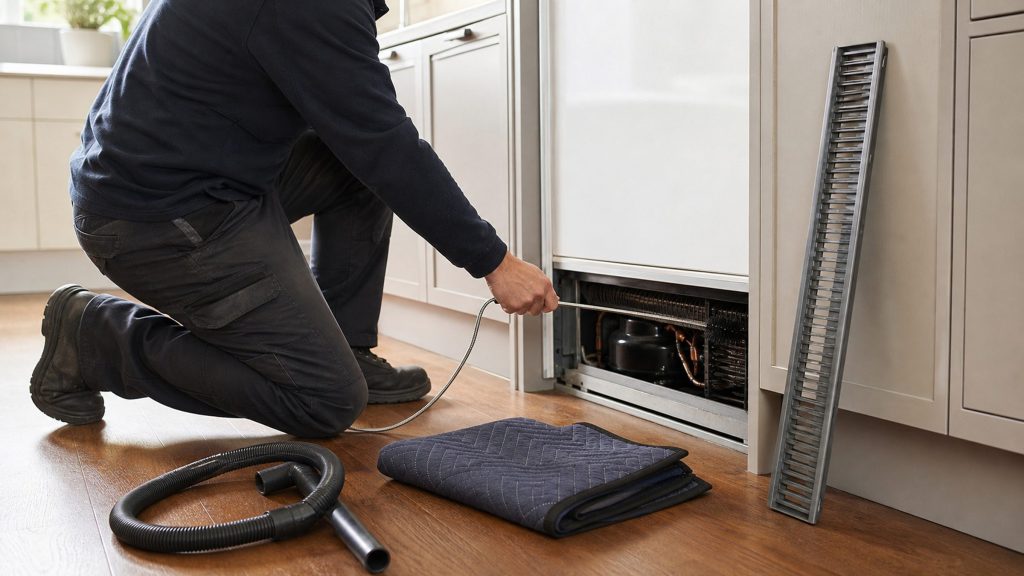
from $135 Appliance maintenance visit
On cold-only equipment maintenance is a short and specific list, and it is the visit that prevents most of the expensive rows on this page.
- Condenser, seals, drainage, alignment, temperature
- Second appliance on the same visit costs much less
- Findings written down rather than announced
-
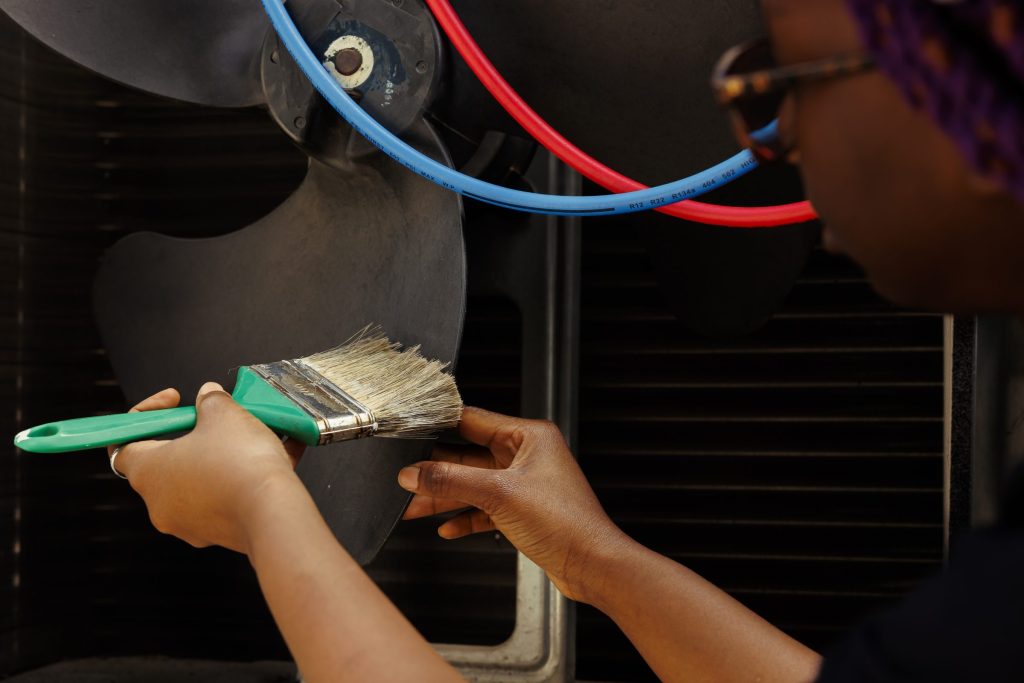
from $145 Condenser and airflow service
The maker names ventilation first among the causes for both "motor seems to run too long" and "the temperature is not cold enough". In South Florida a condenser fills faster than anywhere else in the country, and this is the least expensive visit on this page.
- Named first by the maker for two of its own symptoms
- Labor and access rather than parts
- The visit that prevents the expensive ones
Questions people ask about this
How often should a refrigerator be serviced?
Annually is right for the condenser and a proper temperature check. The seal and drain items are worth doing more often here than the manuals assume, because humidity and salt air both work faster in this city than in the climate the manual was written for.
Is a maintenance visit worth paying for?
It is the cheapest line on our price list and it protects the most expensive component. A condenser that cannot shed heat and a seal that has stopped gripping both make the compressor run longer for the same cold, quietly, for years.
I have a fridge, a freezer column and a wine cooler.
Then have them seen on one visit. Travel and setup are the bulk of what a service call costs, so three appliances in one kitchen on one appointment is far less than three separate visits.
What does a maintenance visit actually include?
Condenser and airflow, seals and alignment on every door, the defrost drain, independent temperature checks in every compartment and zone, and written findings — including the things that are fine, because next year's visit is worth more when there is something to compare against.
Maintenance & Prevention
More guides like this one
-

How to Clean a Refrigerator Door Seal, and the Paper Test That Follows
Cleaning a gasket is the easy half. The half that tells you whether it still works takes ten seconds and a sheet of paper.
Read more -
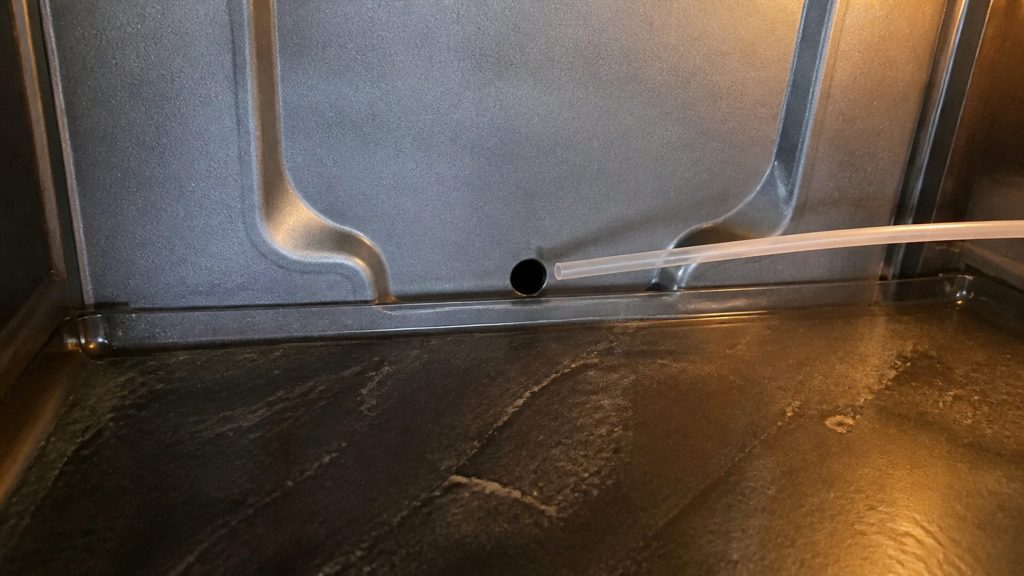
How to Clean a Refrigerator Drain Hole Without Damaging Anything
The water on your rear wall is supposed to be there. It is supposed to leave, too — and when it stops leaving, normal becomes a puddle in the bottom of the cabinet.
Read more -
How to Clean a Liebherr Fridge — Inside, Behind, and the Part That Matters Most
Most cleaning articles start with the shelves. The maker's own troubleshooting starts with ventilation, which tells you the order this should really go in.
Read more
Tell us the model number and what it is doing.
This article is based on:
- Official manufacturer documentation
- Internal repair procedures
- Technician repair history
- Company quality standards