LiebherrRepair Miami

17 behaviors · and several of them are normal

What your Liebherr is doing, and what it actually means.

Beeping three times. Two dashes instead of a temperature. A light that says there was a power cut. Ice on the back wall that will not go away. This maker documents its own behavior in more detail than almost any other, which means most of these have a published answer — and a good number of them are the appliance working exactly as designed.

  • 17 behaviors described here
  • 7 the maker documents as normal
  • 12 pages in the code archive
  • from $95 diagnostic, credited to the repair

Start from what it is doing

Described the way you would describe it on the phone

Not "sealed system failure" but "one side is warm". Each page names the free checks first, then what it usually turns out to be, then the repair that answers it.

  • Guide fridge full
    Cold is moved, not only made

    Refrigerator not cooling

    The cabinet is running and the temperature is wrong. On a NoFrost appliance that is far more often airflow or the defrost circuit than the compressor — which matters, because those are different orders of money.

    • Running but warm
    • Warm at the top, right at the bottom
    • Slowly drifting rather than suddenly off
    What it usually means
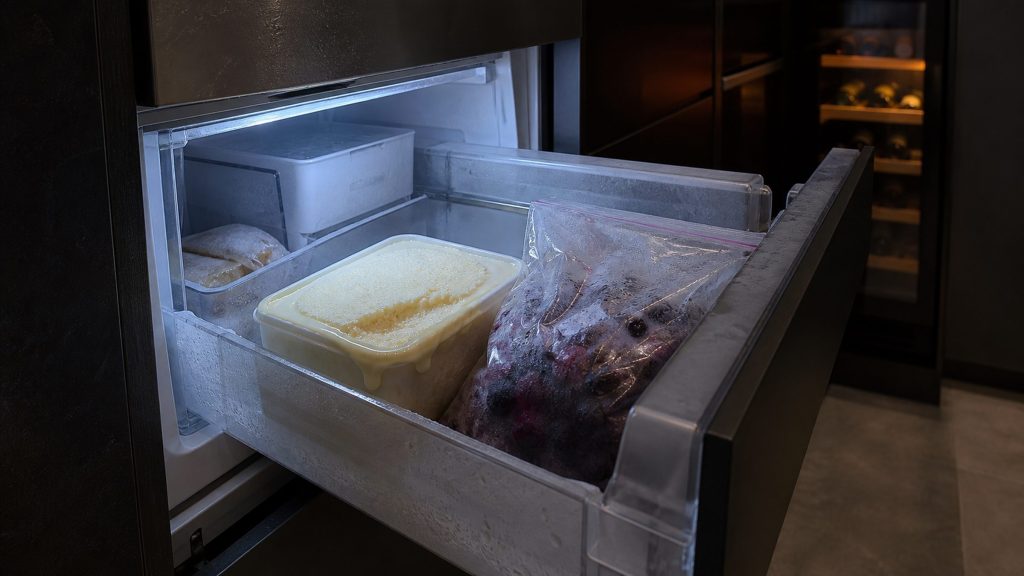
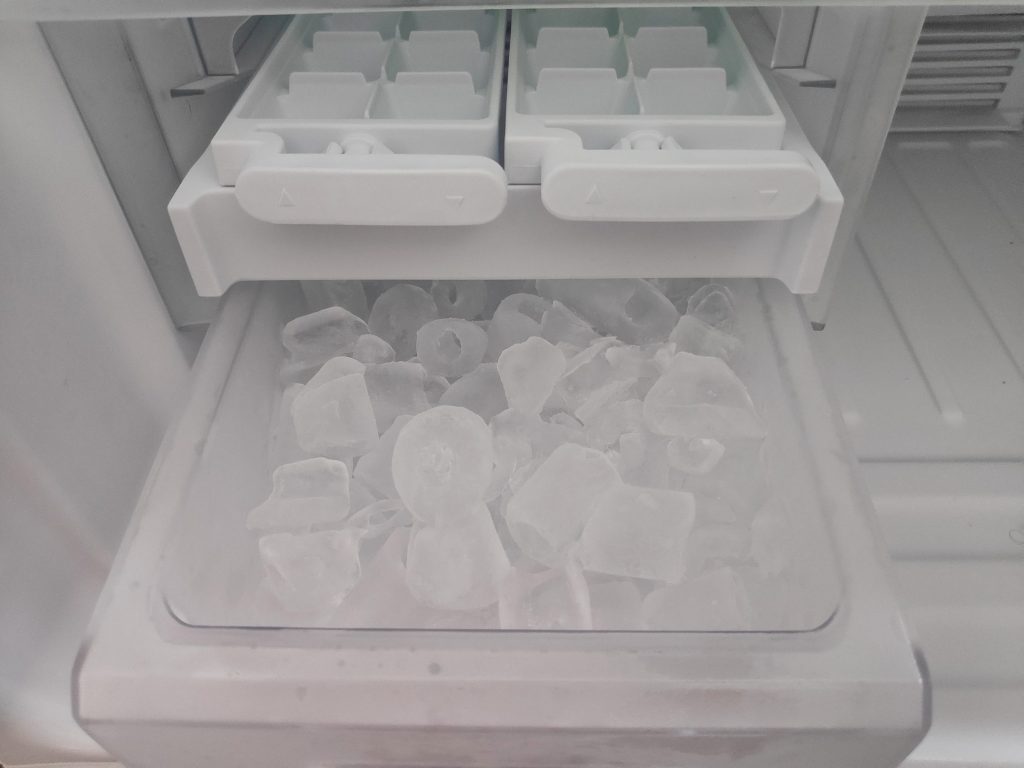
  • An open freezer drawer where the food has begun to thaw — a tub of ice cream gone soft at the edge, a bag of berries slumped and wet, condensation beading on the plastic — photographed close in cold light against near-black cabinetry.
    It will tell you before the food does

    Freezer not cold enough

    The compartment is above where it should be, and on this make the appliance usually says so first: the temperature display and the alarm LED flash together until whatever caused it has been put right.

    • Alarm sounding, display flashing
    • Ice cream soft, ice cubes sticking together
    • Warm after a big load or a long door-open
    What it usually means
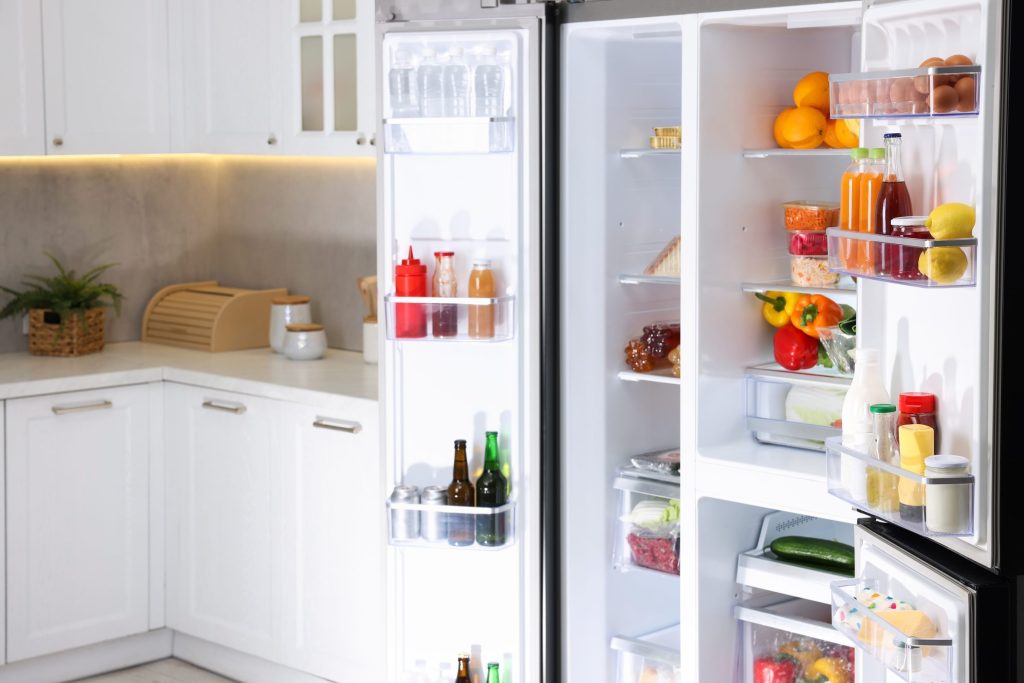
  • A side-by-side refrigerator with both doors open in a white kitchen, shelves full of food.
    Often two appliances, not one problem

    One compartment cold, the other is not

    The freezer holds and the refrigerator drifts, or the reverse. Before anything else, find out whether you have one appliance or two — on this make a Side-by-Side is two separate cabinets behind two matching doors.

    • Freezer fine, fridge warm
    • Fridge fine, freezer warm
    • Two doors, one continuous run of cabinetry
    What it usually means
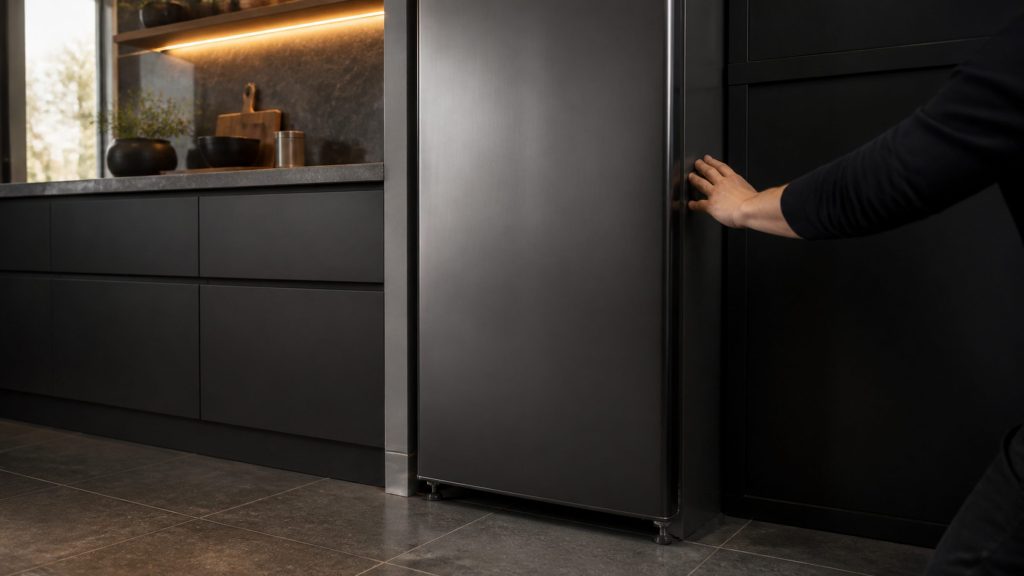
  • A person standing in front of a closed integrated refrigerator door in a dark kitchen, head tilted as if listening, one hand resting on the door.
    Most of these are documented, and normal

    Refrigerator or freezer beeping

    The single most searched thing about this make, and most of the answers are in the manual rather than in a repair. Liebherr documents a door alarm, a temperature alarm and a power-failure indicator, and each of them stops when its cause goes away.

    • Beeping with the door open
    • Beeping after loading or rearranging
    • Beeping that will not stop with the door shut
    What it usually means
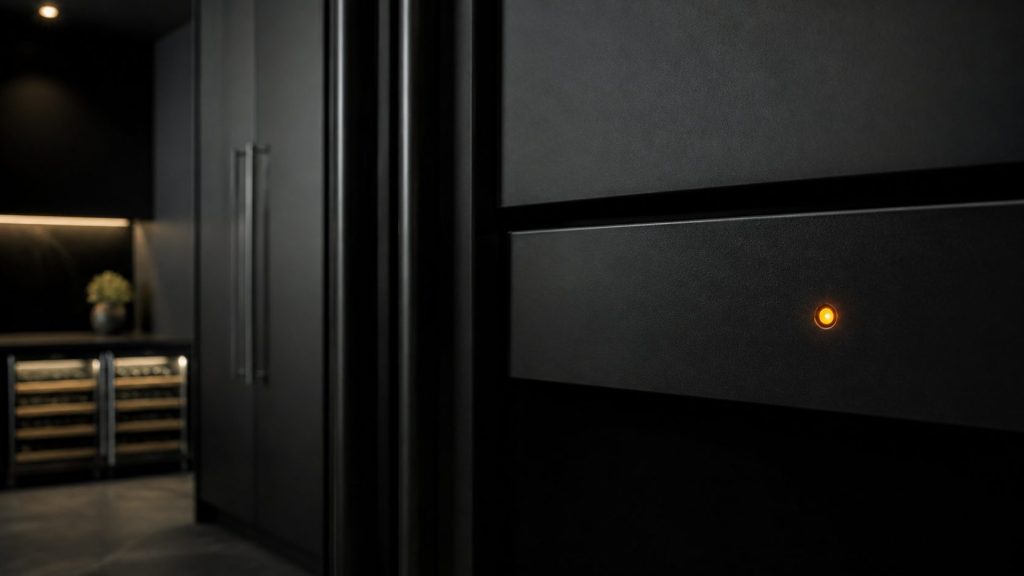
  • A single small amber warning light glowing on the narrow top edge of a tall integrated refrigerator door in an unlit kitchen at night, the rest of the room in near-black, one amber reflection on the dark stone worktop.
    The appliance recorded what happened

    Beeping after a power outage

    The power came back and the appliance is alarming. That is the power-failure indicator, and it exists so that you learn what happened to the food from the machine rather than from the food.

    • Alarm and a lit power-failure light
    • Freezer display flashing after an outage
    • Two dashes on a freezer that was fine yesterday
    What it usually means
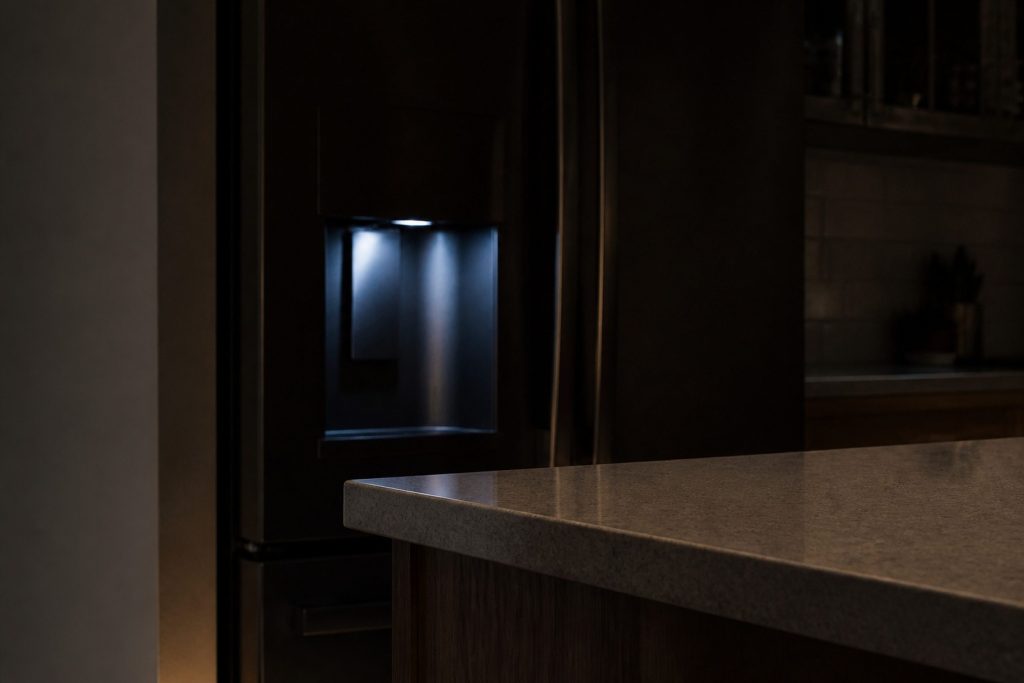
  • A dark kitchen, a refrigerator's dispenser recess glowing faintly, the counter edge sharp in front of it.
    It is above freezing, and it is saying so

    Freezer display showing two dashes

    Not an error. The freezer temperature display only shows temperatures below freezing, so two dashes mean the compartment has not got there yet.

    • Dashes instead of a number
    • Right after switching on
    • Right after a power failure
    What it usually means
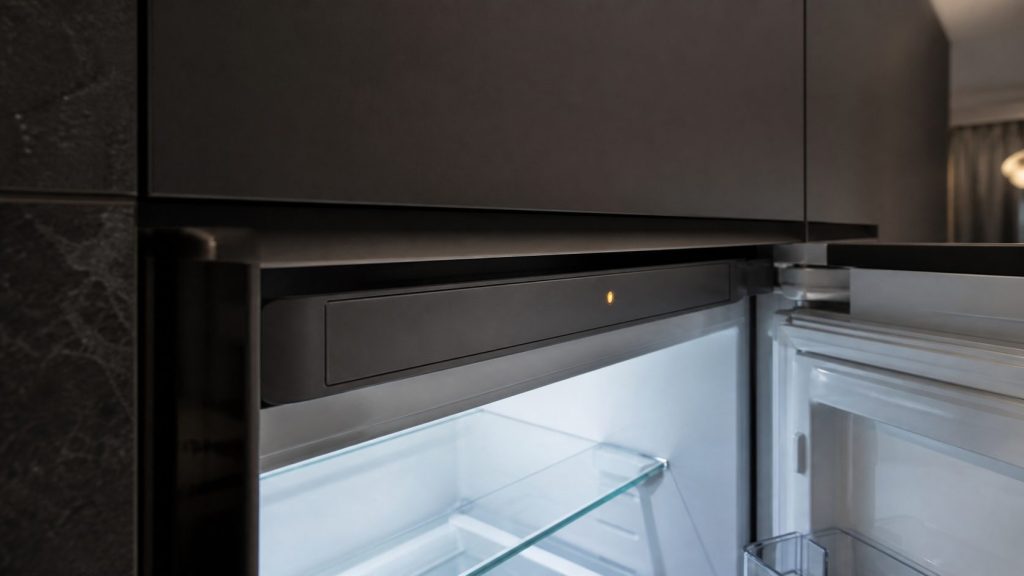
  • A close view along the inside top edge of an open refrigerator compartment where the control strip sits, one indicator lit warm amber and the surface around it plain and unmarked, cold interior light falling on a glass shelf below.
    Usually a change, not a breakage

    Display flashing or blinking

    The display is flashing and nothing obvious is wrong. On this make that is documented behavior in two cases and a genuine alarm in a third — and telling them apart takes a look rather than a visit.

    • Flashing right after you changed a setting
    • Flashing after loading the freezer
    • Flashing together with the alarm LED
    What it usually means
  • Sym ice maker not working
    Two free checks first, published by the maker

    Ice maker not making ice

    No ice, slow ice, or the control lamp flashing above the ON/OFF button. Liebherr publishes its own troubleshooting for this and two of its three questions cost nothing.

    • No ice at all
    • Slower than it used to be
    • Lamp flashing above the on/off button
    What it usually means
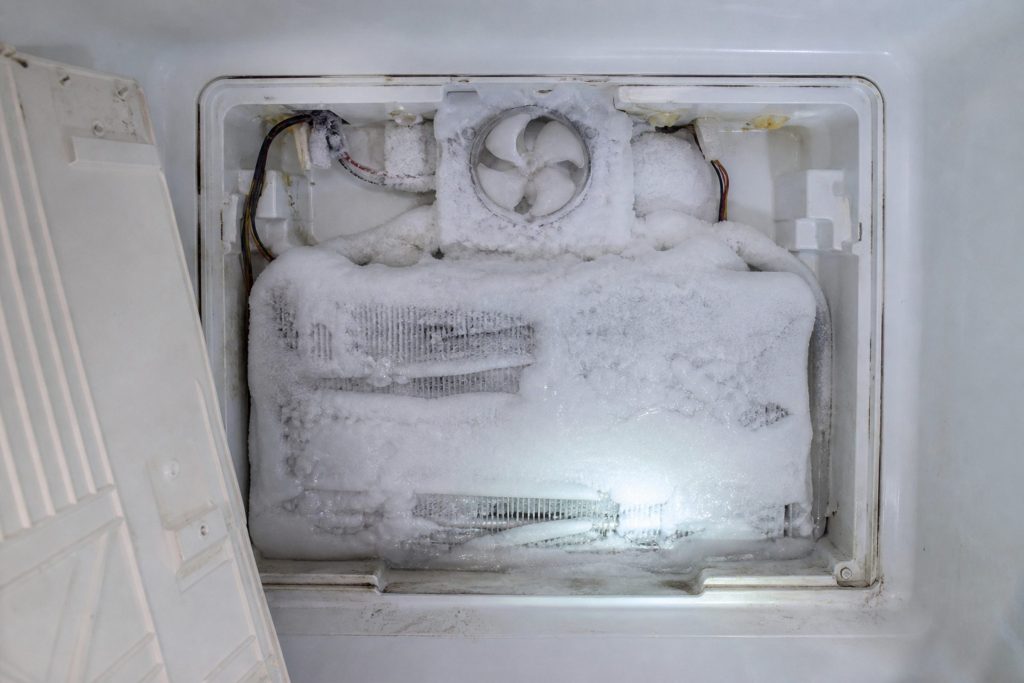
  • The rear panel of a freezer compartment unscrewed and set aside, the evaporator coil behind it buried in a solid block of white ice so the fins are barely readable, the fan blade above it frozen in place.
    Some of it is documented as normal

    Ice building up inside

    Where the ice is decides whether this is a problem at all. On the rear wall of the refrigerator compartment the maker calls it completely normal; in a NoFrost freezer, or thick enough to reach the shelves, it is not.

    • On the rear wall of the fridge
    • In a NoFrost freezer compartment
    • Thick enough to touch shelves or drawers
    What it usually means
  • A tall refrigerator standing slightly away from dark cabinetry, its adjustable foot visible at floor level, a hand steadying the side of the cabinet.
    The maker's own first questions cost nothing

    Loud running noise

    One of the six rows in the maker's own troubleshooting table, and its published answers start with things you can check yourself in two minutes.

    • Vibration that comes and goes
    • Rattling that stops if you touch the cabinet
    • A hum that got louder over months
    What it usually means
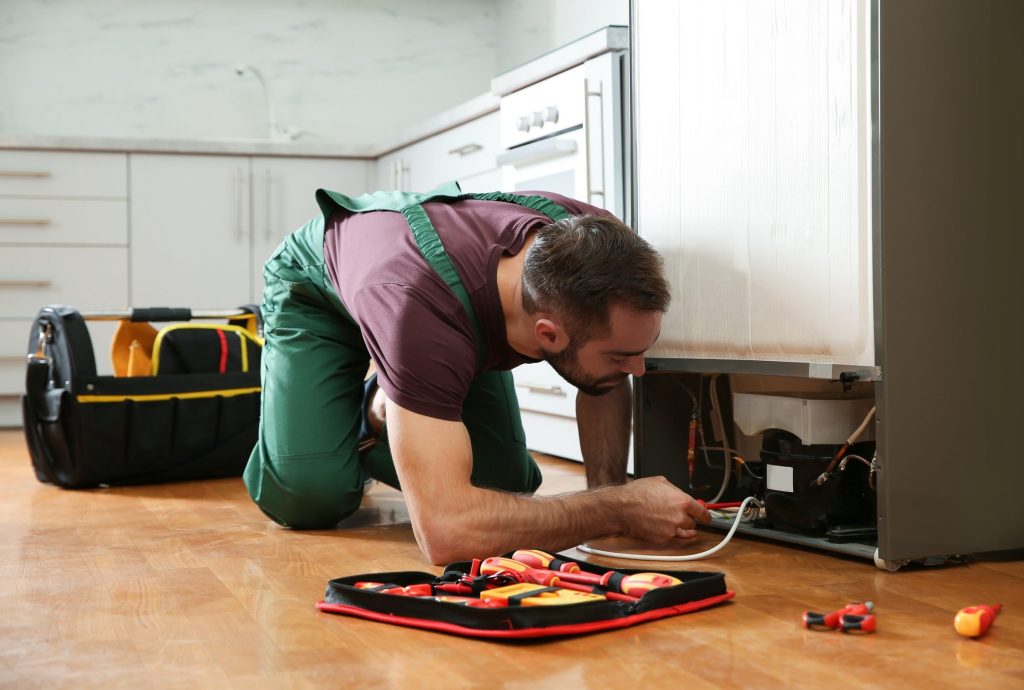
  • A technician working behind a refrigerator, tool roll on the floor.
    Cold made and not delivered

    Fan not working

    The refrigeration is producing cold and something has stopped moving it. It shows up as one area warm while another is fine, and it often arrives with a noise.

    • One shelf warm, the rest right
    • Noise that changed before the temperature did
    • Ice on the evaporator behind the panel
    What it usually means
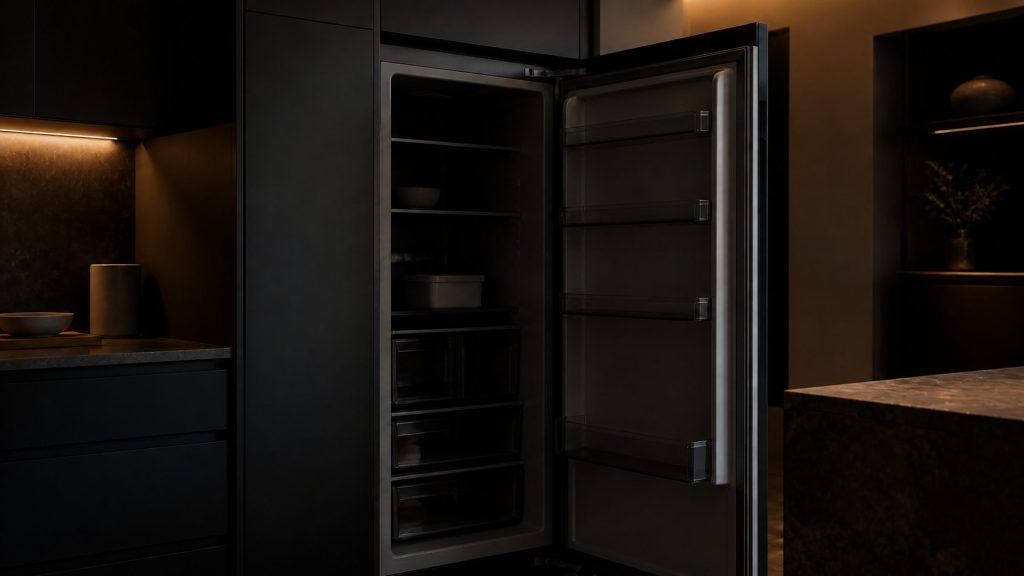
  • A refrigerator door standing open in a dark kitchen with the interior unlit, shelves just visible in ambient light from the room.
    Check the free answer first

    Interior light not working

    The light is out and the cabinet is still cold. On this make there is a documented reason for that which costs nothing to check.

    • Light out, temperature fine
    • Out since the door was left open
    • Wine cabinet light that will not turn off
    What it usually means
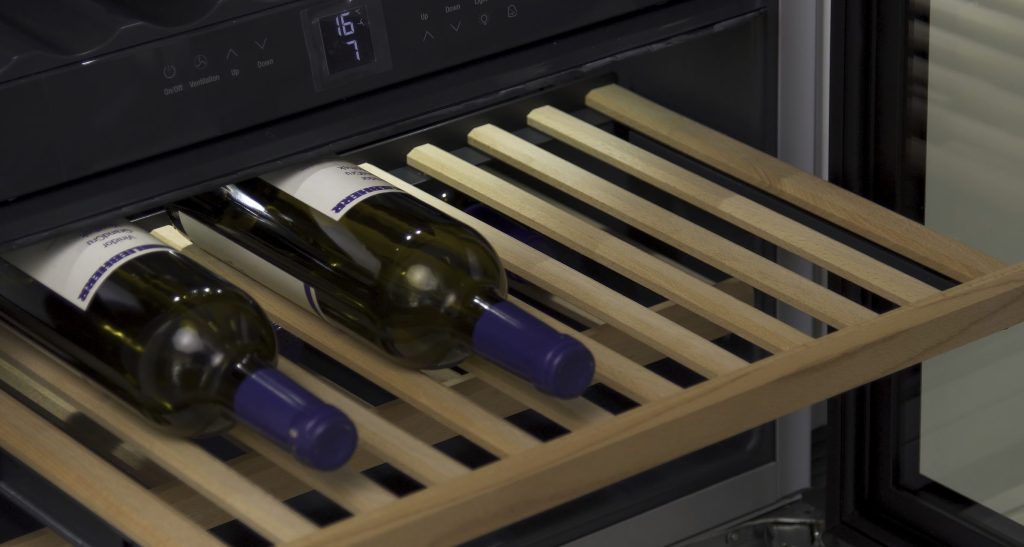
  • Sym wine cooler not cooling
    Which zone is the diagnosis

    Wine cooler not cooling

    A wine fridge that is not holding temperature — and on a cabinet with two or three zones, which zone has drifted is most of the answer.

    • One zone warm, the others right
    • Every zone warm together
    • Warmer than a fridge, which may be correct
    What it usually means
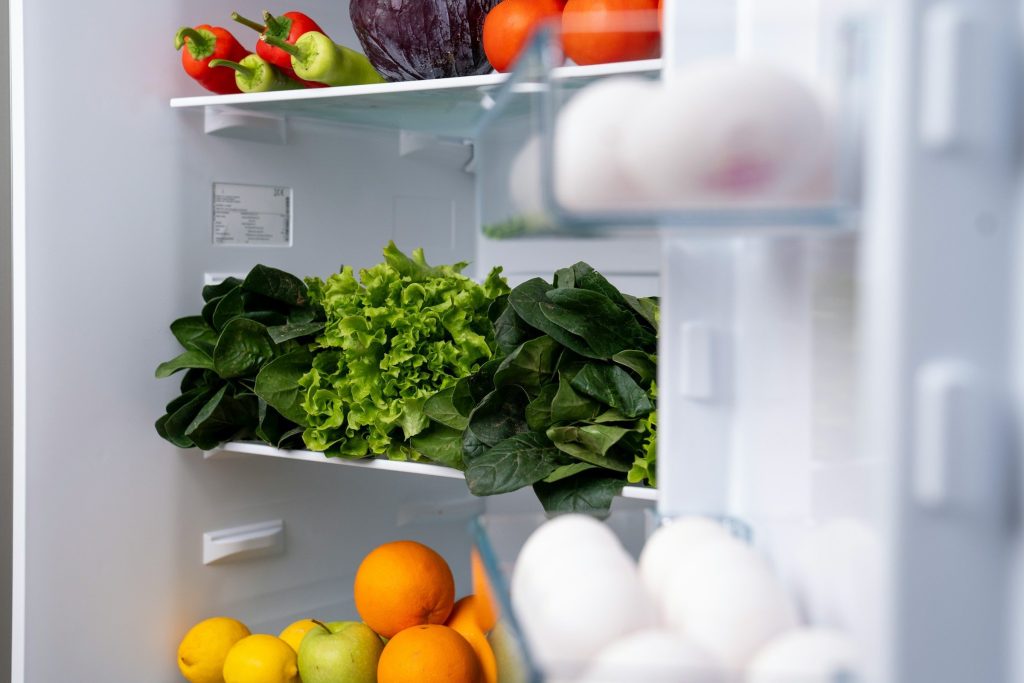
  • Salad leaves, citrus and eggs on the shelves of an open refrigerator
    Too cold is a diagnosis too

    Food freezing in the refrigerator

    Lettuce turning to glass, milk with ice in it. A cabinet that is too cold is as wrong as one that is too warm, and it usually has a simpler cause.

    • Ice in milk at the back
    • Salad frozen at the bottom
    • Everything fine except one shelf
    What it usually means
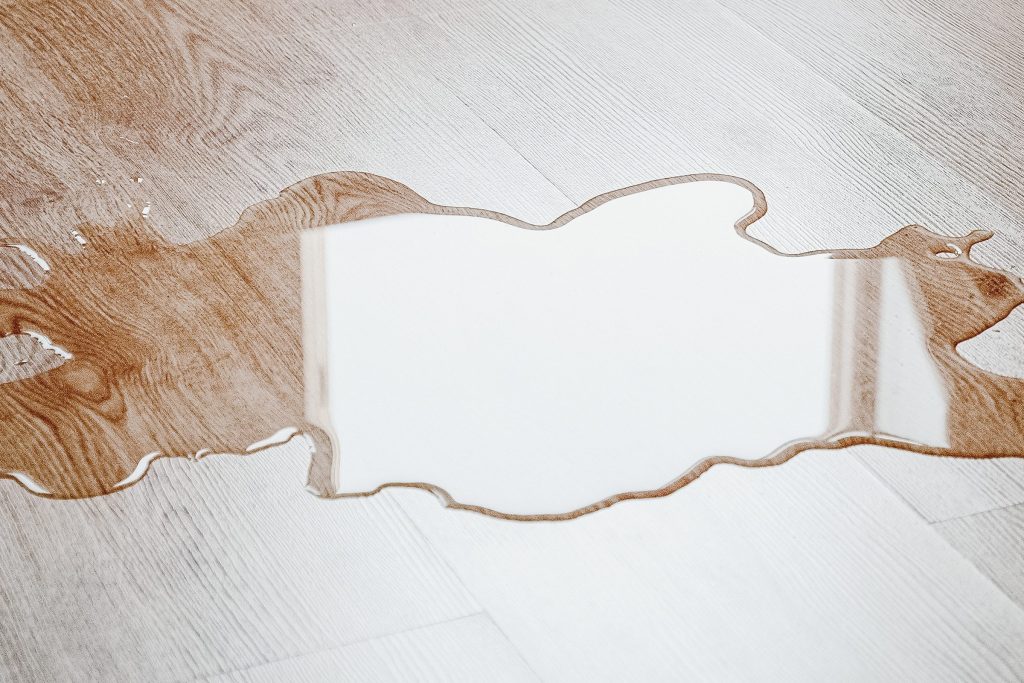
  • A clear puddle spreading across a pale wood floor, darkening the boards it has soaked into.
    Find the shut-off before anything else

    Water inside or underneath

    Water in the bottom of the cabinet or on the floor. On a plumbed appliance the first action is not diagnosis — it is closing the supply, because water behind cabinetry costs more than any repair on this site.

    • Water pooling inside the cabinet
    • Water on the floor in front
    • A damp patch at the side of the joinery
    What it usually means
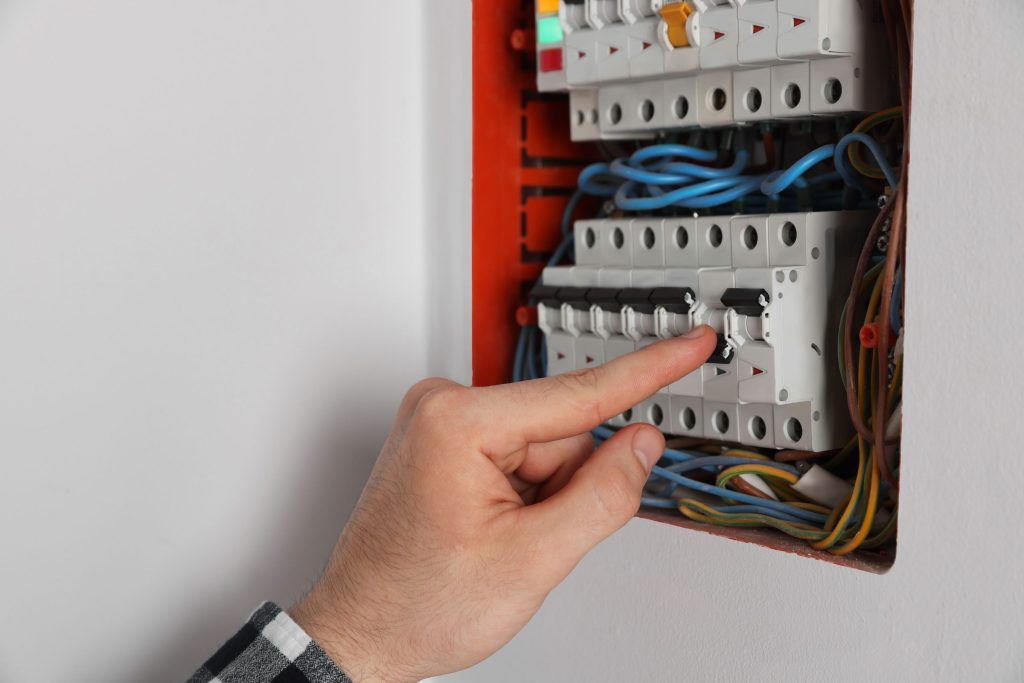
  • A hand switching a breaker in an open household panel.
    Start where the maker starts

    Nothing at all — no display, no light

    A completely dead appliance. The maker's own troubleshooting begins with three questions that cost nothing, and they resolve this more often than any part does.

    • No display, no light, no sound
    • Dead since a power event
    • Dead after the kitchen was worked on
    What it usually means
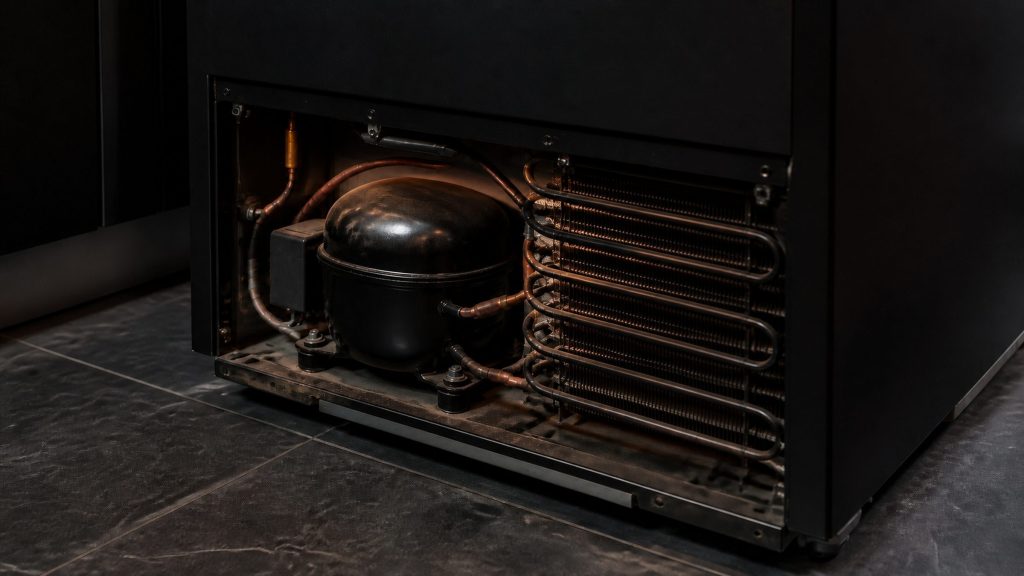
  • A refrigeration compressor and condenser tubing at the back of a cabinet, warm from running, seen in a dim service light with the cabinet pulled forward.
    Four causes, and three are free

    Running constantly

    The compressor barely stops. It is one of the maker's six documented troubleshooting rows, and its published causes are mostly things around the appliance rather than inside it.

    • Compressor rarely cycling off
    • Running harder since summer
    • Running long since it was moved or refitted
    What it usually means

The most searched thing about this make

Beeping is usually documented, not broken.

Liebherr publishes three separate alarms and an indicator, and every one of them stops when its cause goes away. The door alarm sounds after a door has been open longer than about 180 seconds and resets itself the moment it is shut. The temperature alarm sounds when the freezer is not cold enough — from warm food, from warm air let in while you rearranged, or from a genuine problem — and the display keeps flashing until whatever it was has gone. The power-failure light comes on after an outage and will show you the highest temperature the compartment reached if you touch the alarm icon.

That last one is worth knowing before hurricane season rather than during it: the appliance kept the number precisely so that you would not have to guess about the food.

Every signal, quoted from the manual
A close view of a small indicator light glowing on a dark appliance control area, everything around it near-black and out of focus.

The other half of the answer

Half of these checks cost nothing.

The maker’s own troubleshooting table has six rows and five of them begin with something you can check yourself: is the breaker on, has the door been open more than fifteen minutes, is the cabinet standing firmly, is the room too hot, has a lot of warm food just gone in, is a fast-cool mode still running.

And one of the six is there to tell you that nothing is wrong at all — ice on the rear wall of the refrigerator compartment is described by Liebherr as completely normal. It is condensation freezing while the compressor runs and draining away while it rests, and it is the single most common reason somebody pays to have a working cabinet looked at.

What each repair costs
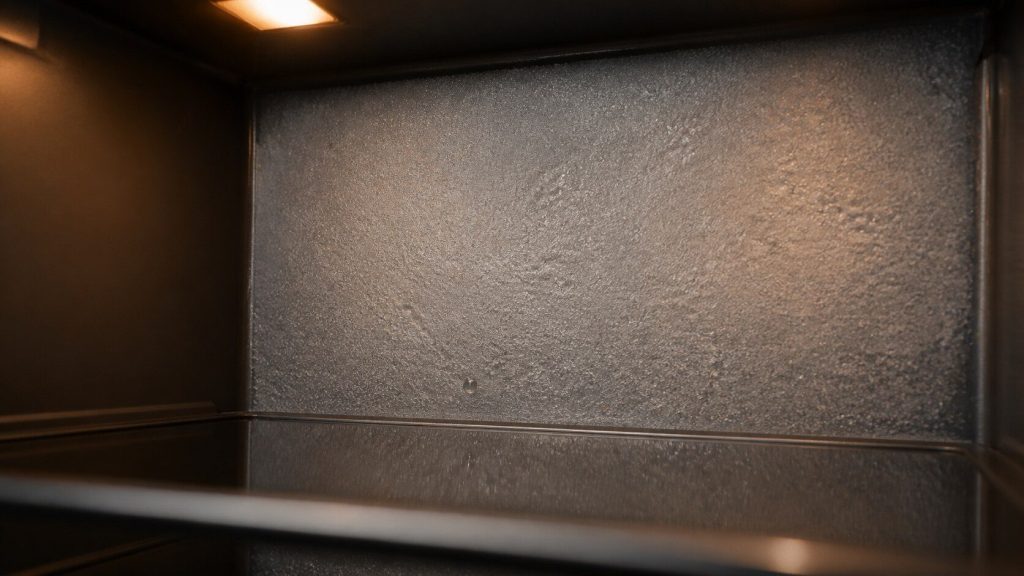
A close view of the rear wall inside a refrigerator compartment with a thin even layer of frost and beads of condensation, a shelf edge in the foreground.

Before you call

Six minutes that change the visit

Two minutes, and it may be over

  • Shut every door properly and wait three minutes — the door alarm resets itself.
  • Unpack the back and the vents. A cabinet packed to the wall cannot move cold around.
  • Check nothing is holding a door open by a few millimeters.

Write it down before it clears

  • Anything showing in the display, exactly as shown.
  • The three numbers off the plate, inside on the left.
  • On a power-failure light, the highest temperature it recorded.

Then measure something

  • Paper test every door, all four sides, corners first.
  • An independent thermometer where the food is going wrong, four hours minimum.
  • What each wine zone is set to against what it is reading.

By appliance

Or start from the cabinet

Three kinds of appliance, and what goes wrong with each is genuinely different. These are the 3 pages.

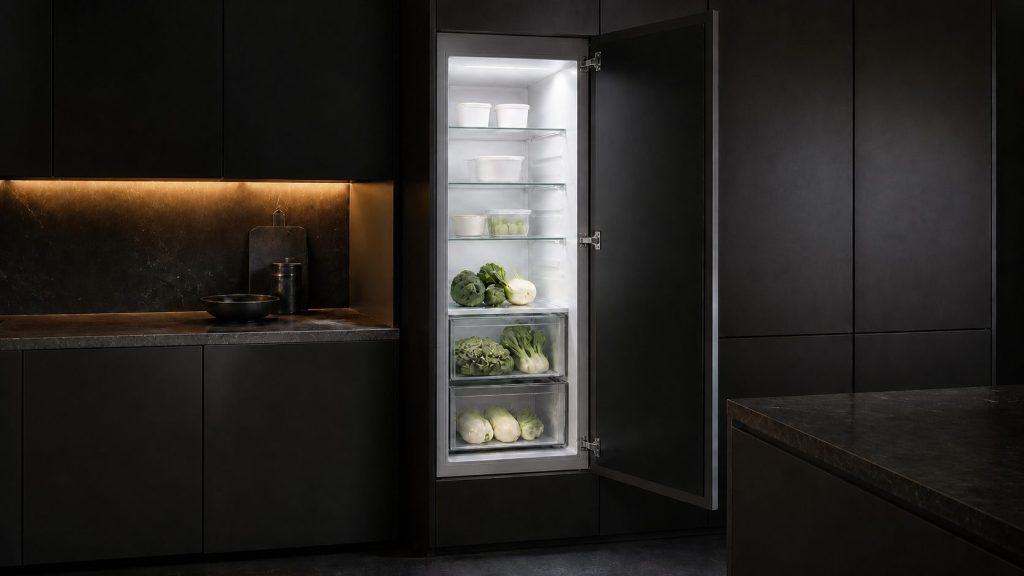
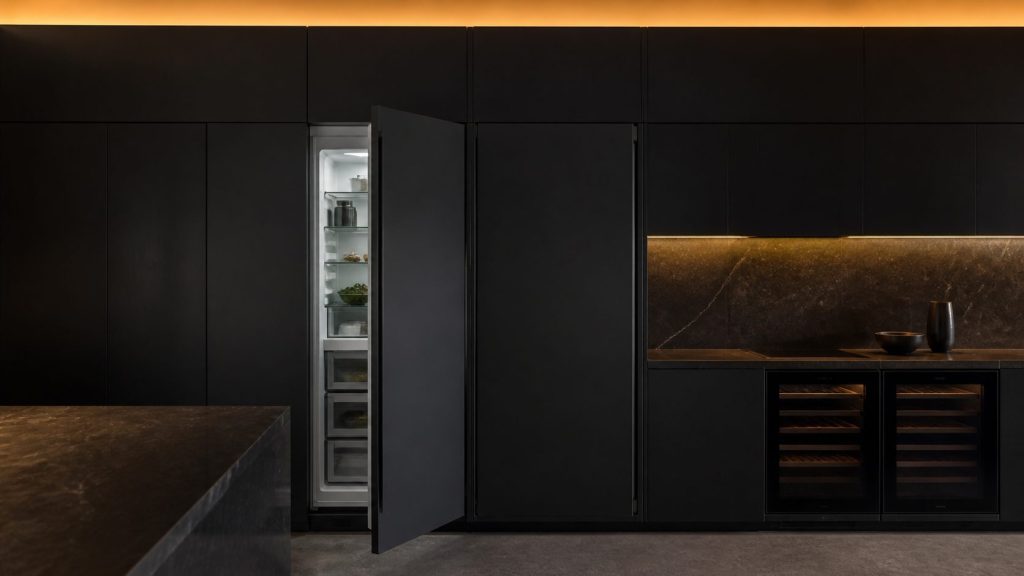
  • A tall fully integrated refrigerator column standing open in a near-black kitchen, its own cabinet front on the door, cold interior light on glass shelves holding a few plain containers and vegetables, dark stone worktop to the left and warm amber under-cabinet light beyond.
    Bottom-freezer · Side-by-Side · French-door · fully integrated

    Refrigerators

    Fifty-two refrigerators in the current US line, and most of them are built into the kitchen rather than standing in it: twenty-six bottom-freezer cabinets, ten fully integrated behind your own cabinet fronts, ten Side-by-Side pairs and five French-door. Tell us which one you have and what it is doing, and whether it is paneled — that decides how the visit is planned.

    Refrigerator repair
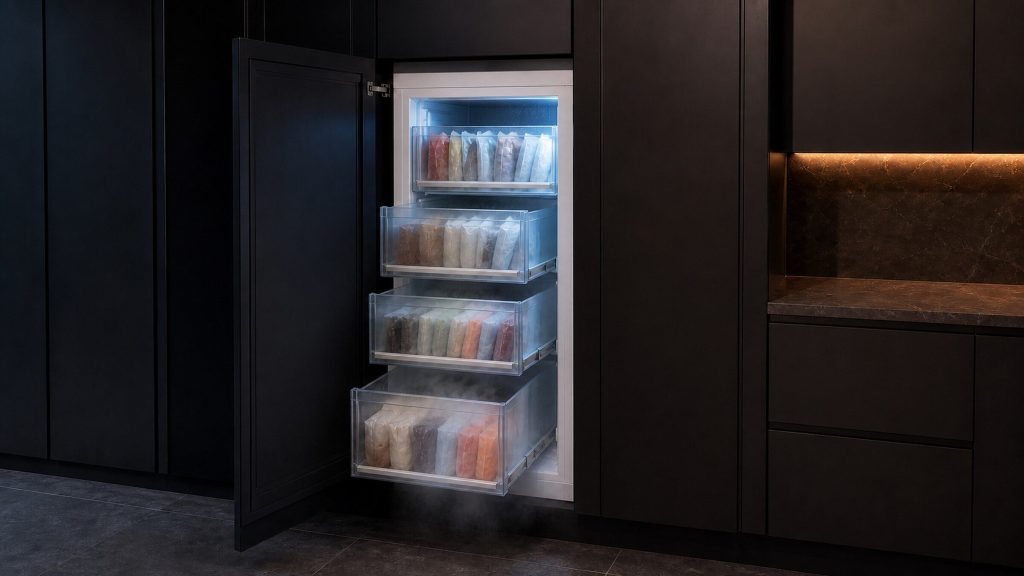
  • A tall fully integrated freezer column standing open in a near-black kitchen run, seen straight on: four clear drawers pulled to different depths on their runners, wrapped frozen packets standing on edge inside them, cold blue-white light and a haze of vapour spilling over the lower drawer, dark stone worktop and amber under-cabinet light to one side.
    Fully integrated columns

    Freezers

    Five freezers in the current US line, every one of them a fully integrated column built into the joinery. They are frequently half of a Side-by-Side pair, which means a freezer that has stopped and a refrigerator that is fine can be two separate machines behind two matching doors.

    Freezer repair
  • A continuous run of near-black kitchen joinery with two tall fully integrated refrigeration columns side by side behind matching cabinet fronts, one door standing slightly open with cold interior light spilling out, dark stone worktop and warm amber light above.
    Ten cabinets · three refrigerators, four freezers, three wine

    Monolith refrigerators

    Monolith is the line Liebherr names for its fully integrated columns, and ten cabinets in the current US catalog carry it: MRB 2400, MRB 3010 and MRB 3600 on the refrigerator side, MF 1851, MF 2461, MF 3051 and MF 3661 on the freezer side, and MW 1810, MW 2400 and MW 2401 for wine. The refrigeration inside is the refrigeration in the rest of the range. What is different is that the cabinet is part of your joinery, and that is what changes about the visit.

    Monolith repair

If none of these is quite it

Describe it the way you would to a neighbor.

These pages are named the way people describe things on the phone, and some behavior still does not fit any of them. Tell us what changed and when, whether anything is showing in the display, and whether it started after a power cut, a big shop or a kitchen refit. Those three answers narrow almost anything.

Asked most often

Before you decide it is broken

My freezer beeps three times. What does that mean?

A short pattern that stops on its own is usually the appliance acknowledging something rather than complaining — a door closed, a setting changed, an alarm cleared. What is worth a call is a repeated alarm with the doors shut and nothing new inside.

The display shows two dashes instead of a number.

That is documented and it is not an error. The freezer display shows below-freezing temperatures only, so dashes mean it is not there yet — three to five hours from a cold start depending on the room, and the same after a power failure. Still dashes the next morning is the point at which it becomes a question.

There is always ice on the back wall. Is that bad?

The maker says it is completely normal: humidity condenses on the rear wall and freezes while the compressor runs, then defrosts while it rests and drains away for evaporation. What is worth looking at is ice that never clears between cycles, or water collecting instead of draining.

Half of my Side-by-Side is warm and half is fine.

Then you very likely have two appliances rather than one. Ten of the refrigerators in this line are sold as paired columns — two cabinets, two systems, two plates. The working half stays working, and the number we need is off the half that stopped.

Is there a code I should be looking for?

There is a number and there is no published meaning for it. Liebherr prints F1 to F5 and asks only that you have the number available when you call. On this make the behavior is the better clue, which is why this archive is longer than the code one.

In more detail

How to read a Liebherr in Miami

Almost every complaint about cold equipment resolves into one of three questions. Is it failing to make cold? Is it failing to move the cold it makes? Or is it doing neither of those and simply telling you something you have not learned to read yet? On most makes the third question barely exists. On this one it is where a large share of the calls sit, because Liebherr documents its own behavior in unusual detail and decodes none of its own error numbers.

So the useful order here is backwards from what people expect. First: is this documented? A door alarm at 180 seconds, a temperature display flashing after a warm load, two dashes on a freezer that was switched on this morning, a power-failure light after Tuesday’s outage — all published, all normal, none of them a repair. Second: is this one of the maker’s own free checks? Breaker, door left open, cabinet not standing firmly, room too hot, SuperCool left running. Only third: what has actually failed, and is it in the half that makes cold or the half that moves it?

That order matters in this city more than most. Seasonal outages produce a predictable wave of alarms that are the appliance working. Humidity produces condensation on wine cooler glass that is the room rather than the cabinet. Salt air and fine dust fill condensers faster than the manual assumes, which produces “running too long” and “not cold enough” — the two rows the maker itself answers with the word ventilation.

And one thing is worth saying plainly, because it saves people money: ice on the rear wall of a refrigerator compartment is normal. The manufacturer says so in its own manual. If that is the only thing your cabinet is doing, it is fine.
Describe it the way you would on the phone.

A good description does the work an error code would have done — and on this make it does it better, because the number would not have been decoded anyway.

This article is based on:

  • Official manufacturer documentation
  • Internal repair procedures
  • Technician repair history
  • Company quality standards
Call (305) 928-2637