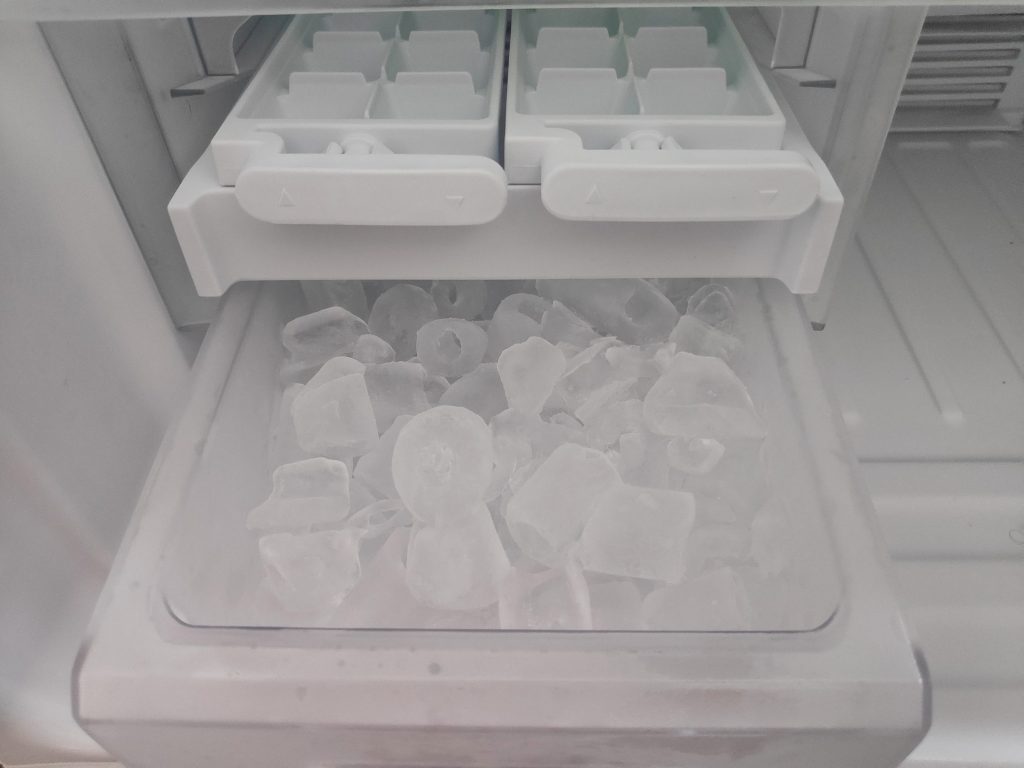
Start with what the appliance is doing rather than with the number, because on this make the doing is documented and the number is not. Liebherr’s Use and Care Manual describes seven behaviors in detail — an audible alarm silenced by touching its icon, a door alarm after about 180 seconds, a temperature alarm that flashes the display and the alarm LED together until the cause is put right, a freezer display that shows two dashes because it only reports below-freezing temperatures, a power-failure indicator that will tell you the highest temperature reached during an outage, a display that flashes when you change a setting or load warm food, and an ice-maker lamp that flashes when its water tank is empty or unseated. Every one of those has a page in this archive, quoted from the manual.
Against that, the numbers. F1 through F5 appear in the display and the manual says one thing about them: the appliance has registered a problem, and you should have the number available when you contact the customer service department. The Customer Service section repeats it and adds what else to bring — the Type Designation, the Service Number and the Appliance or Serial Number, all three printed on the plate inside the cabinet on the left-hand side. That is the whole of the published guidance, and this archive publishes exactly it.
It would be easy to write more. Third-party pages assign each number to a sensor with complete confidence and no source, and we could copy them in ten minutes. We are not going to, for a reason that is practical rather than high-minded: a technician who arrives carrying the part that F2 supposedly means, on the strength of a table nobody can trace, has made your visit longer rather than shorter. The number narrows the visit. The measurement ends it.
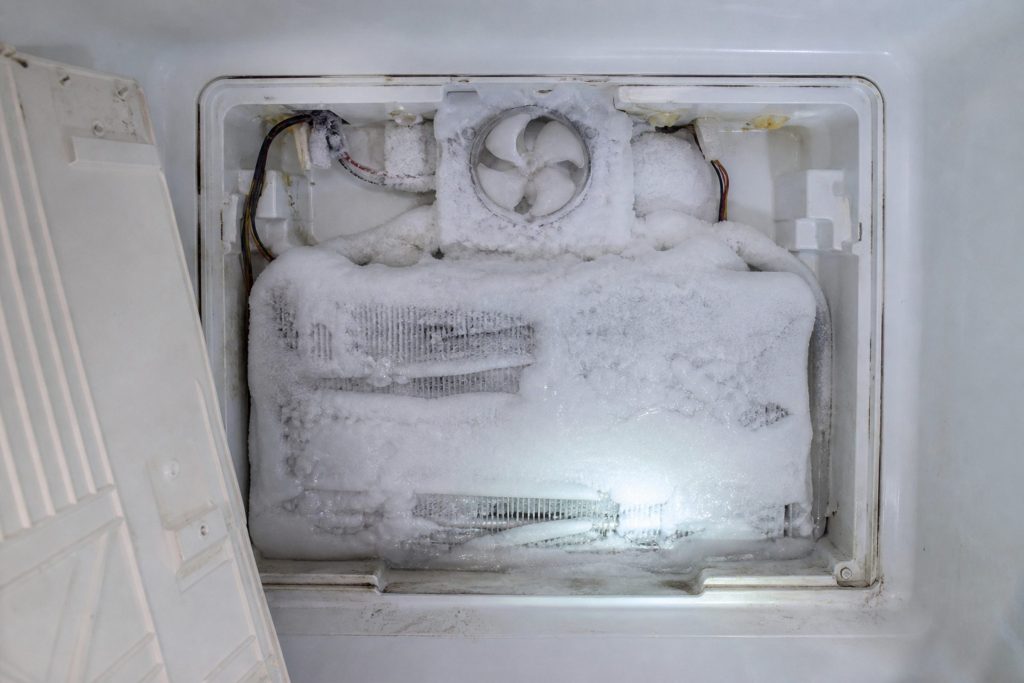
And the manual’s own troubleshooting table — six rows about a dead appliance, an interior light that is out, loud running noise, a motor running too long, a cabinet that is not cold enough, and ice on the rear wall that it calls completely normal — is worth more than any code list, because five of those six start with something you can check yourself for nothing.