Maintenance & Prevention
How a Built-In Refrigerator Column Comes Out of Its Joinery
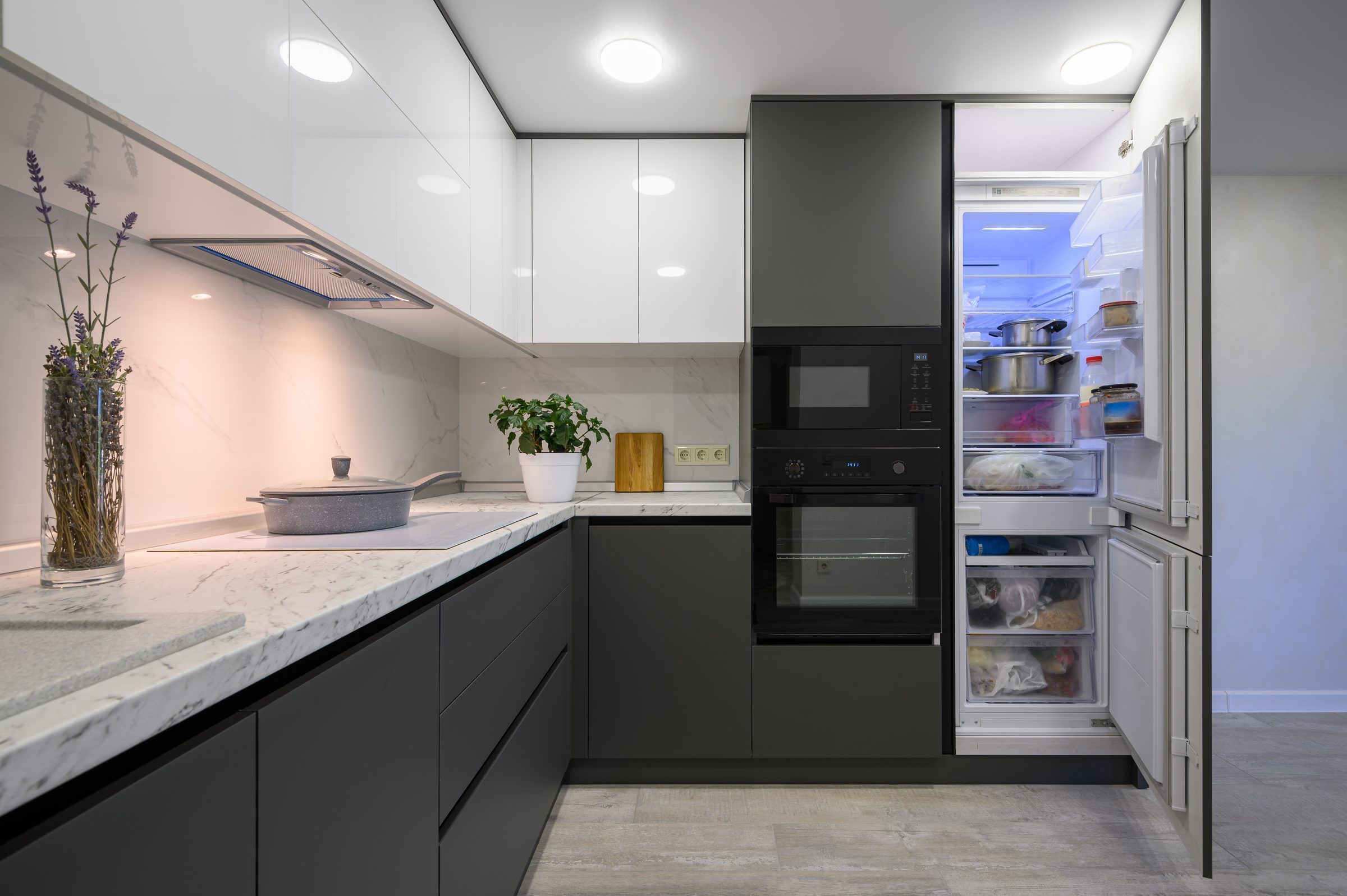
It is planned work rather than an improvised one, and most repairs do not need it at all. Ten of the fifty-two refrigerators in the current Liebherr US line are fully integrated behind your own cabinet fronts and every one of the five freezers is, so on this make removal is a routine part of a proportion of the work rather than an exception. The sequence is always the same: establish how it was fitted before anything moves — fixings, panel mounting, plinth, and whether there is a water line — then protect the joinery, then disconnect, then bring it forward far enough to work. The risk is the cabinetry rather than the appliance: a custom front and a stone worktop within a few centimeters of each other are worth more than most repairs, which is why anything paneled is a two-person job. Going back is the half that decides whether you notice it happened. Level, plumb, gaps matched to the doors either side, the door tested against its seal with a sheet of paper, and the plinth and toe-kick refitted as they were.
The full guide
This is normal on this make
A liebherr refrigerator built in to joinery is the normal case here rather than the exception.
Ten of the fifty-two refrigerators in the current Liebherr US line are fully integrated behind your own cabinet fronts. Every one of the five freezers is. Ten more are Side-by-Side pairs set into a continuous run.
So unlike most brands, where taking a cabinet out is an unusual step, here it is a routine part of a proportion of the work — and pricing it honestly is better than absorbing it and being surprised in your kitchen.
Most repairs do not need it
Worth saying first. Seals, sensors, fans, boards, ice makers, drains and door alignment are all done in place.
What needs the appliance forward is work at the back or underneath: the condenser on some layouts, sealed-system work, and anything involving the water connection behind the cabinetry.
What happens, in order
Establish how it was fitted. Before anything moves. Fixings into the joinery, how the panel is mounted, the plinth, and — critically — whether there is a water line, because a plumbed column comes out differently from a dry one.
Protect the kitchen. The cabinetry is usually worth more than the repair. Coverings on the worktop and the floor, and two people on anything carrying a custom front.
Disconnect properly. Power at the breaker rather than at the control. Water at the shut-off, which on a built-in is rarely obvious and is worth being shown for future reference.
Bring it forward, far enough to work rather than out into the room.
Going back is the half that matters
This is where a good job and a bad one become visible, and it is visible for years.
- Level and plumb, because every door adjustment that follows depends on it;
- gaps matched to the doors either side — on a run of integrated cabinetry the eye finds a millimeter;
- the door tested against its seal with a sheet of paper, all four sides;
- plinth and toe-kick refitted as they were.
A cabinet that goes back a fraction low will drag on its seal, alarm at night and cost you cold for the rest of its life. That is why the refit is a named job rather than the last five minutes of another one.
What we ask when you book
Whether the appliance carries your own cabinet front. That one answer decides the length of the appointment and the number of people, and knowing it in advance is the difference between a planned visit and an improvised one.
What it changes about the quote, not just the day
The reason we ask whether an appliance is built in before we arrive is that it changes the shape of the appointment rather than the price of the part. A control board is the same board and the same money whether it sits in a freestanding cabinet or a column. What differs is how long it takes to reach it, whether the water line has to be isolated first, and whether the panel has to come off and go back on square.
Two more things follow from that on this make specifically. Several of these cabinets are installed as Side-by-Side pairs behind matching doors — two appliances, two plates, two systems — so the first question is which half has stopped, and the answer is often that the other half is entirely fine and stays working throughout. And a Monolith column carries your own cabinet front, which means the last twenty minutes of the visit are alignment: the appliance is level when the kitchen looks level, not before.
If it turns out to be a repair
What this leads to, and what it costs
Every job on this site is priced the same way: an on-site diagnostic first, the figure agreed in writing before anybody starts.
-
from $195 Integrated panel and column refit
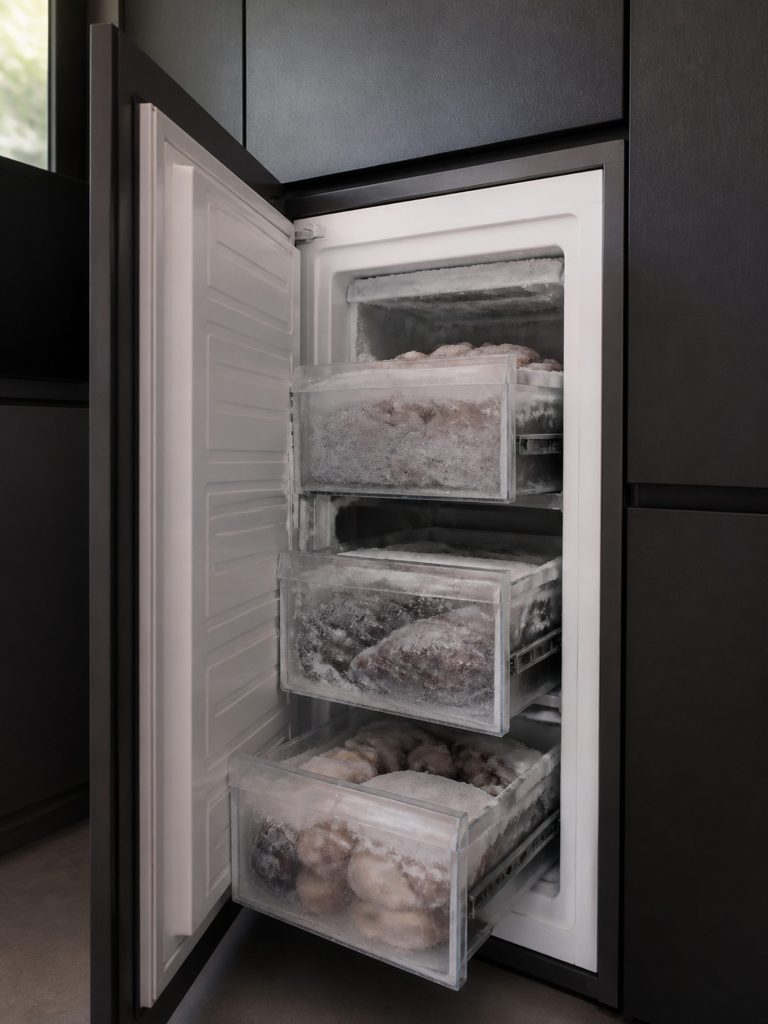
Taking a fully integrated column out of joinery and putting it back level, plumb and aligned to its neighbors. Ten of the refrigerators in this line and every one of the freezers are fitted this way, so on this make it is routine work rather than an exception.
- Planned before the visit, not discovered during it
- Level, plumb and aligned to the run
- Panel, plinth and toe-kick refitted properly
-
Bottom-freezer · Side-by-Side · French-door · fully integrated Refrigerators
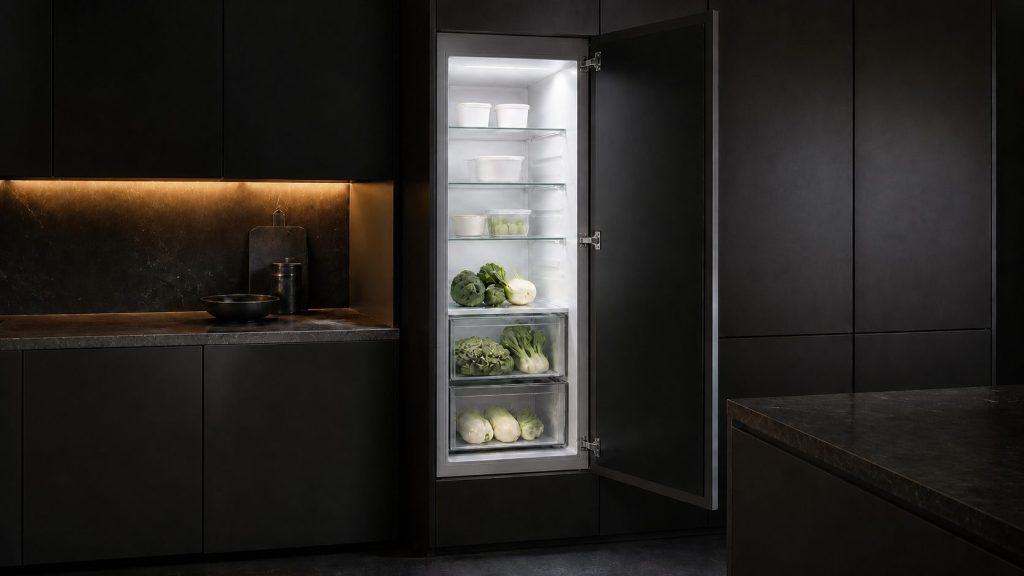
Fifty-two refrigerators in the current US line, and most of them are built into the kitchen rather than standing in it: twenty-six bottom-freezer cabinets, ten fully integrated behind your own cabinet fronts, ten Side-by-Side pairs and five French-door. Tell us which one you have and what it is doing, and whether it is paneled — that decides how the visit is planned.
- Not cold enough, or cold in one compartment only
- An error number in the display, F1 to F5
- Ice on the rear wall — usually normal, and worth knowing why
Questions people ask about this
Does every repair need the appliance taken out?
No — most are done in place. It is priced separately because when it is needed it is real work, and quoting a repair without it and then discovering it halfway through would be the wrong way round.
Will my cabinetry be damaged?
Not if it is planned. The danger is a custom front and a stone worktop within a few centimeters of each other, which is why anything paneled is a two-person job and why the fixings are established before anything moves.
How long does it take?
The removal itself is not the long part; establishing how it was fitted, protecting the joinery and putting it back properly are. Budget for the appointment being longer than the same repair on a freestanding cabinet, and say when you book that the appliance is paneled.
Can I pull it out myself?
Please do not, on a paneled column. They are heavy, they are usually fixed to the joinery rather than free-standing in it, and several are plumbed. The appliance will probably survive it; the kitchen is the part at risk.
Maintenance & Prevention
More guides like this one
-
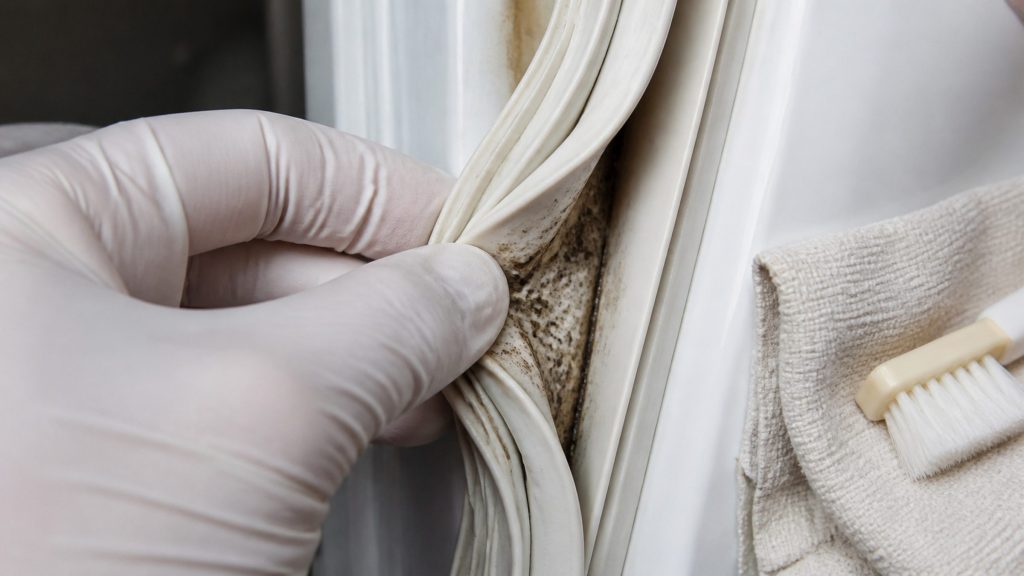
How to Clean a Refrigerator Door Seal, and the Paper Test That Follows
Cleaning a gasket is the easy half. The half that tells you whether it still works takes ten seconds and a sheet of paper.
Read more -
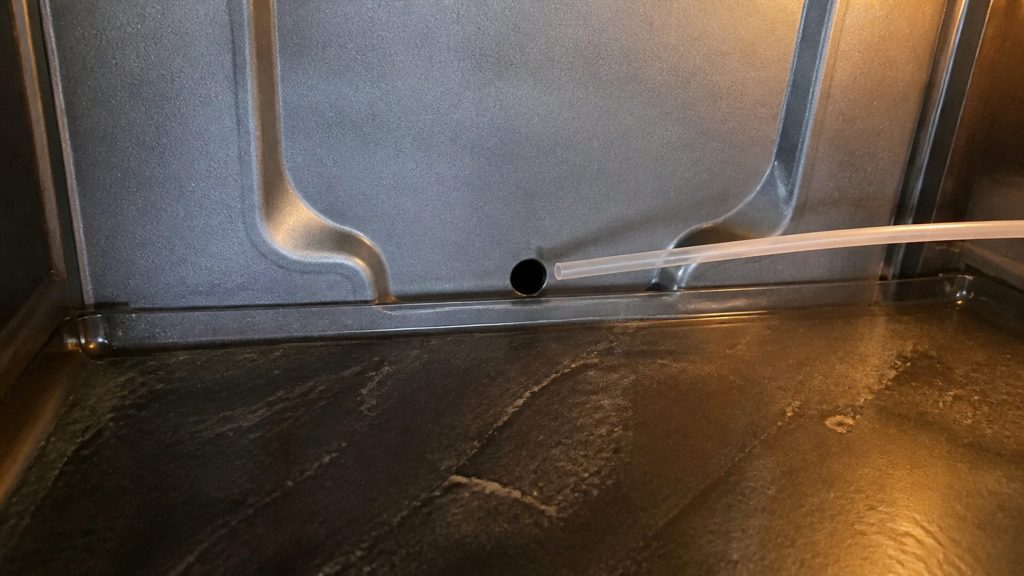
How to Clean a Refrigerator Drain Hole Without Damaging Anything
The water on your rear wall is supposed to be there. It is supposed to leave, too — and when it stops leaving, normal becomes a puddle in the bottom of the cabinet.
Read more -
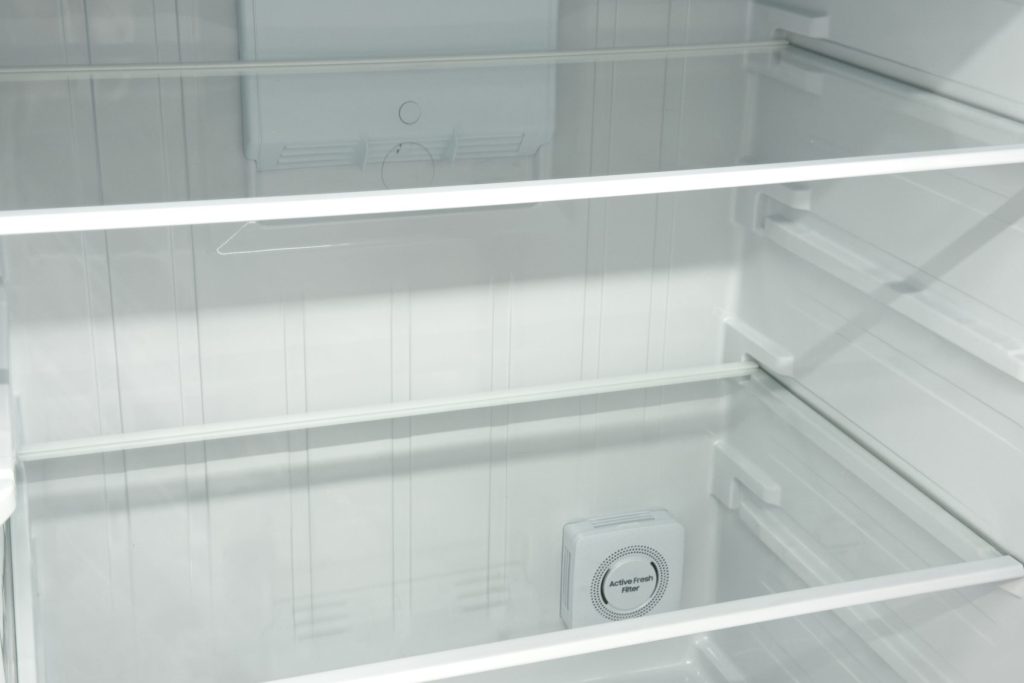
How to Clean a Liebherr Fridge — Inside, Behind, and the Part That Matters Most
Most cleaning articles start with the shelves. The maker's own troubleshooting starts with ventilation, which tells you the order this should really go in.
Read more
Tell us the model number and what it is doing.
This article is based on:
- Official manufacturer documentation
- Internal repair procedures
- Technician repair history
- Company quality standards