
Common Problems
Condensation and Ice in a Wine Cooler — Miami Air, or a Failing Seal?
Some fogging on the inside of a glass door in a Miami summer is the room rather than the appliance: warm humid air meets cold glass and condenses, exactly as it does on a cold drink. What separates that from a problem is persistence and location. Condensation that appears after the door has been opened and clears within an hour is normal. Condensation that is there all day, water pooling at the bottom of the cabinet, or ice building up inside are not, and the first thing to look at in every one of those cases is the door seal — close the door on a sheet of paper and pull, at six points around the frame, corners first. Where it slides out freely the seal is not gripping, and warm humid air is entering continuously. Two other causes are worth knowing: a door that no longer closes by itself, so the seal never gets compressed properly, and a cabinet in afternoon sun, which is a heat source somebody installed rather than a defect.
The full guide
First, the part that is not the appliance
Liebherr wine fridge ice build up and fogged glass have the same root cause, and in this city it is frequently the room rather than the cabinet.
A glass door is cold on the inside and sitting in a room that, for much of the year here, is warm and carrying a great deal of moisture. When those meet, water appears — the same reason a cold drink sweats.
After the door has been opened, fogging is expected and it should clear within the hour.
That is not a defect and no repair will stop it, because the cause is the climate.
The test that separates the two
Close the door on a sheet of paper and pull it out. It should drag.
Six points around the frame. Corners first — that is where seals fail, because that is where the rubber is asked to bend and stay bent.
Where the paper slides out freely, the seal is not gripping there, and warm humid air is entering continuously rather than occasionally.
What is not normal
Fog that stays all day. Continuous inflow rather than an opening.
Water pooling at the bottom of the cabinet. More than the glass can hold, arriving faster than it evaporates.
Ice building up inside. Humid air arriving and freezing where it meets the coldest surface. This is the one people search for by name, and on a wine cooler it is nearly always the door rather than the refrigeration.
The three causes, in order of cost
The seal. Hardened, folded, or worn at the corners. The cheapest thing on the appliance and the first to check.
The door not closing itself. These doors are designed to pull shut over the last centimeter. When that assist fades, the door rests against the seal without compressing it — so a perfect seal still leaks. That is an alignment and closer job rather than a rubber one.
Afternoon sun. A glass-door cabinet in direct light is being heated deliberately, which produces both condensation and a zone that struggles to hold. This is not a repair; it is a curtain or a different wall.
And a reminder about the rubber
If you have been cleaning the seal with bleach or strong vinegar, stop. Both harden it, and a hardened seal is precisely the seal that fails a paper test. Warm soapy water, then dry it.
Why a wine cabinet cares about this and a refrigerator does not
A food refrigerator is built to take moisture out of the air. Wine refrigeration is built to hold it, because a cork that dries out lets air past long before anybody opens the bottle. That is the same-looking hardware doing an opposite job, and it is why a cabinet that has stopped fogging entirely is worth as much attention as one that fogs too much.
It also changes what a failing door costs you. On a refrigerator, a tired seal shows up as a temperature complaint. On a wine cabinet it shows up first as glass you cannot see through, then as a zone that will not hold its number, then — much later, and invisibly — as bottles that were kept several degrees warmer than the display claimed. Nothing about that is dramatic on the day, which is exactly why it is worth the two-minute paper test twice a year rather than waiting for the cabinet to complain.
If it turns out to be a repair
What this leads to, and what it costs
Every job on this site is priced the same way: an on-site diagnostic first, the figure agreed in writing before anybody starts.
-
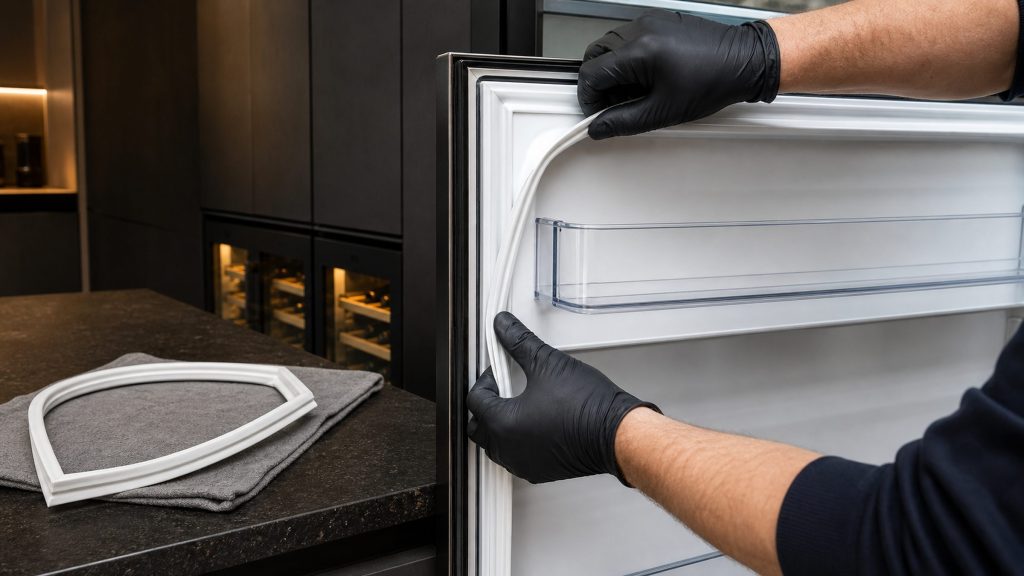
from $155 Door seal replacement
The cheapest thing on a cold appliance that costs real money if it is ignored. A seal that no longer grips is warm air entering continuously, which is a compressor running longer, ice forming where it should not, and a wine cabinet fogging on the inside of its glass.
- A paper test anyone can do before calling
- Seal, then alignment — in that order
- The first thing to check behind condensation
-
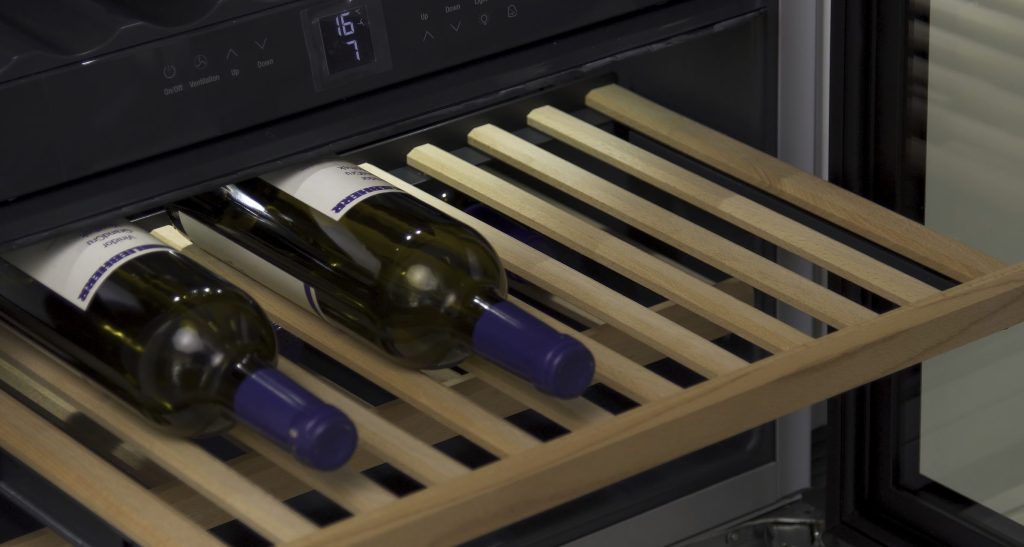
Which zone is the diagnosis Wine cooler not cooling
A wine fridge that is not holding temperature — and on a cabinet with two or three zones, which zone has drifted is most of the answer.
- One zone warm, the others right
- Every zone warm together
- Warmer than a fridge, which may be correct
Questions people ask about this
Is condensation on a wine fridge normal?
Some of it, in this climate. Warm humid air against cold glass condenses, and after the door has been open that is simply physics. What is not normal is fogging that stays all day or water collecting in the bottom.
Why is there ice inside my wine cooler?
Almost always humid air arriving continuously and freezing where it meets the coldest surface — which means a seal that has stopped gripping or a door that is not closing properly. Both are inexpensive next to what they cost in temperature stability.
How do I test the seal?
Close the door on a sheet of paper so half is inside, and pull. It should drag. Do it at six points around the frame and check the corners specifically, because corners fail first.
Does it matter for the wine?
The condensation itself does not, beyond soaking labels. What matters is what causes it — a leaking door means the zone is fighting a continuous inflow of warm air, and unstable temperature is what actually damages a collection.
Common Problems
More guides like this one
-

Ice on the Back Wall of Your Fridge Is Normal — Here Is When It Is Not
The maker calls it completely normal in its own manual. It is also the most common reason somebody pays to have a working refrigerator looked at.
Read more -

Ice Maker Making No Ice — the Two Free Checks the Maker Publishes
Liebherr's own ice-maker troubleshooting is three rows long and two of them are about the water tank. Start there rather than with a parts list.
Read more -
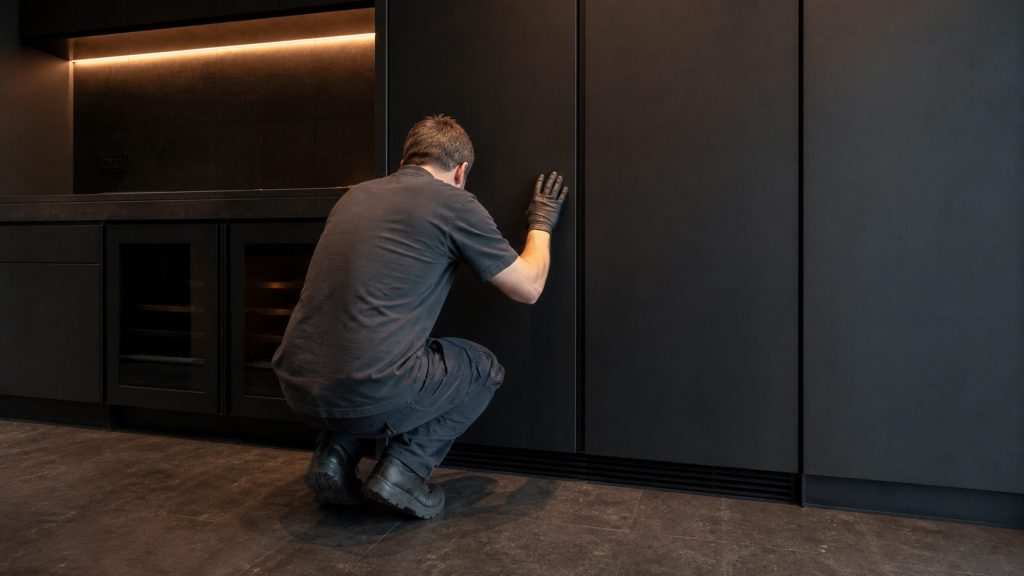
Why Your Liebherr Is Making That Noise — and the Two Free Answers
The maker's own troubleshooting row for running noise asks two questions and both are free. Its suggested remedies are to move the appliance, adjust the feet, or move some bottles.
Read more
Tell us the model number and what it is doing.
This article is based on:
- Official manufacturer documentation
- Internal repair procedures
- Technician repair history
- Company quality standards