
Common Problems
Ice on the Back Wall of Your Fridge Is Normal — Here Is When It Is Not
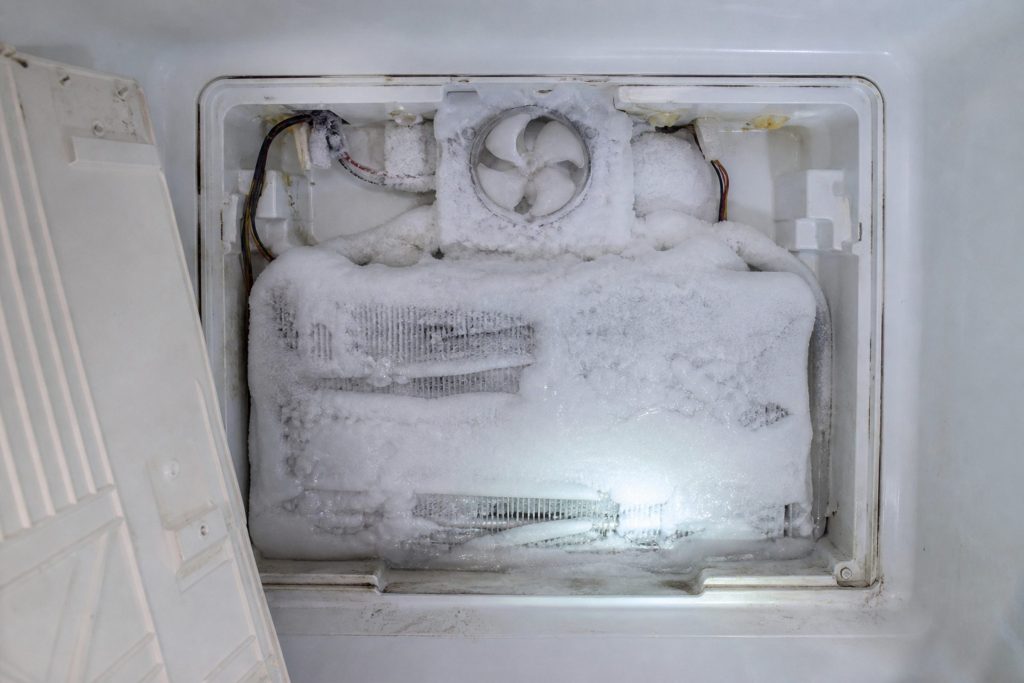
Ice on the rear wall of the refrigerator compartment that appears while the compressor runs and clears while it rests is normal, and Liebherr says so in its own manual: humidity in the compartment condenses on the rear wall and freezes during the cooling process, then defrosts during the compressor idle period and drains away for evaporation. That is the appliance working, and it is the single most common reason people call about a cabinet with nothing wrong with it. Three versions of it are not normal. Ice that never clears between cycles means the defrost side has stopped keeping up. Ice thick enough to touch shelves or drawers means the same thing further along. And water collecting in the bottom of the cabinet rather than draining away means the condensation is forming correctly and the drain has blocked — which is a maintenance job rather than a repair. Frost inside a NoFrost freezer compartment is a different matter entirely and is always worth a call, because that compartment is designed not to accumulate any.
The full guide
The manufacturer's own words
Liebherr freezer ice build up and ice on the back of a refrigerator are two different questions, and the maker answers the second one itself.
From the Liebherr manual, in its troubleshooting table, as a row of its own:
> Ice or water drops appear on the rear wall in the interior of the refrigerator compartment. This is completely normal. During the cooling process, the humidity in the refrigerator compartment will condense on the rear wall and freeze. During the compressor idle period, the ice layer will defrost. The condensate on the rear wall drains through the defrost water drain for evaporation.
That is not us reassuring you. That is the maker putting a "nothing is wrong" row in its own problem-solving table, because enough people ask.
Why it happens more here
Humidity. A refrigerator in Miami is opened into a room carrying far more moisture than the same appliance in a dry climate, and every opening brings some of it in. More moisture in, more condensation on the coldest surface, more visible ice.
A cabinet in a kitchen that opens to the outside does this most of all.
Watch one full cycle
This is the test, and it costs nothing.
While the compressor runs, ice forms on the rear wall. While it rests, that ice should thaw and run down to the drain.
If you look in the morning and again in the evening and the picture is different, the appliance is doing what the manual describes.
The three versions that are not normal
It never clears. Ice is there whether the compressor has been running or resting. The defrost side is not keeping up.
It reaches the shelves. Same problem, further along, and now it is also blocking airflow — which produces a cooling complaint on top of the ice one.
Water collects in the bottom instead. The condensation is behaving; the drain is not. That is a blocked drain and it is usually warm water and five minutes.
And the one that is always a problem
Frost inside a NoFrost freezer compartment.
That compartment is specifically designed not to accumulate frost. When it does, the defrost circuit has stopped, and the reason to act is not tidiness — ice on an evaporator insulates it from the air it exists to cool, so a frost problem quietly becomes a temperature problem.
What we do when we are called out to this anyway
Plenty of people read all of the above, watch a cycle, decide it is not clearing and call — and they are right to. Here is what the visit actually consists of, because it is short and it is worth knowing in advance.
The first thing looked at is the drain, because a blocked one produces exactly the picture people describe: condensation forming correctly, ice building because the meltwater has nowhere to go, and water in the base of the compartment. That is a clearing job rather than a repair.
The second is the door, because a seal that has stopped gripping brings humid Miami air in continuously, and no defrost cycle is designed to keep up with that. The paper test settles it in two minutes.
Only after those two does anything get opened up. Ice that is genuinely a defrost-circuit problem looks different — it does not clear at any point in the cycle, it forms on the evaporator rather than the rear wall, and it is usually accompanied by a compartment that has started to drift warm. Three checks, in that order, and most visits end at the first.
If it turns out to be a repair
What this leads to, and what it costs
Every job on this site is priced the same way: an on-site diagnostic first, the figure agreed in writing before anybody starts.
-
Some of it is documented as normal Ice building up inside
Where the ice is decides whether this is a problem at all. On the rear wall of the refrigerator compartment the maker calls it completely normal; in a NoFrost freezer, or thick enough to reach the shelves, it is not.
- On the rear wall of the fridge
- In a NoFrost freezer compartment
- Thick enough to touch shelves or drawers
-

from $185 Refrigerator cooling and defrost repair
The cabinet runs but does not hold temperature, or holds it in one compartment and not the other. On a NoFrost appliance that is usually the defrost circuit or the airflow rather than the compressor — and telling those apart before ordering anything is the whole job.
- One compartment warm while the other holds
- Frost where the manual says there should be none
- Temperature that drifts rather than fails outright
Questions people ask about this
Why is there ice on the back of my fridge?
Because humidity in the compartment condenses on the coldest surface and freezes while the compressor runs. The maker describes exactly this and calls it completely normal. It should thaw while the compressor rests and drain away.
How do I know if it is too much?
Watch it over a full cycle. Normal rear-wall ice clears while the compressor is off. Ice that is still there when the appliance has been resting, or that has grown enough to touch a shelf, is not clearing and is worth looking at.
There is water in the bottom instead.
Then the ice is forming correctly and the drain has blocked, so the meltwater has nowhere to go. That is a drain-clearing job and it is usually warm water and five minutes.
My NoFrost freezer has frost in it.
That one is always worth a call. A NoFrost compartment is designed not to accumulate frost, so frost accumulating means the defrost circuit has stopped — and left alone it becomes a cooling problem, because ice on an evaporator insulates it from the air it is meant to be cooling.
Common Problems
More guides like this one
-
Ice Maker Making No Ice — the Two Free Checks the Maker Publishes
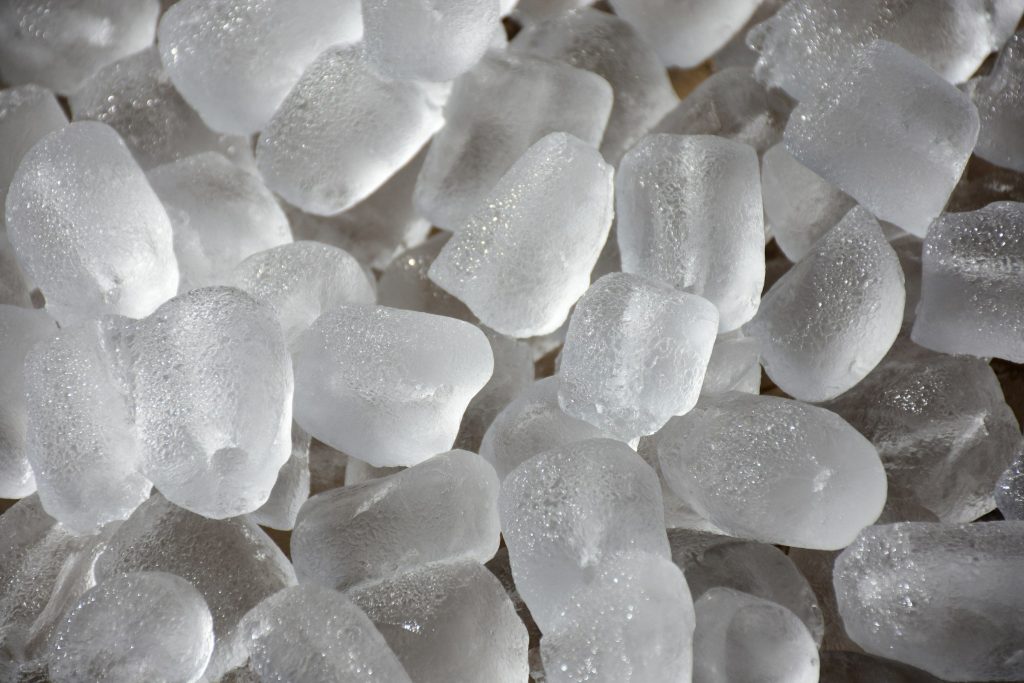
Liebherr's own ice-maker troubleshooting is three rows long and two of them are about the water tank. Start there rather than with a parts list.
Read more -
Why Your Liebherr Is Making That Noise — and the Two Free Answers
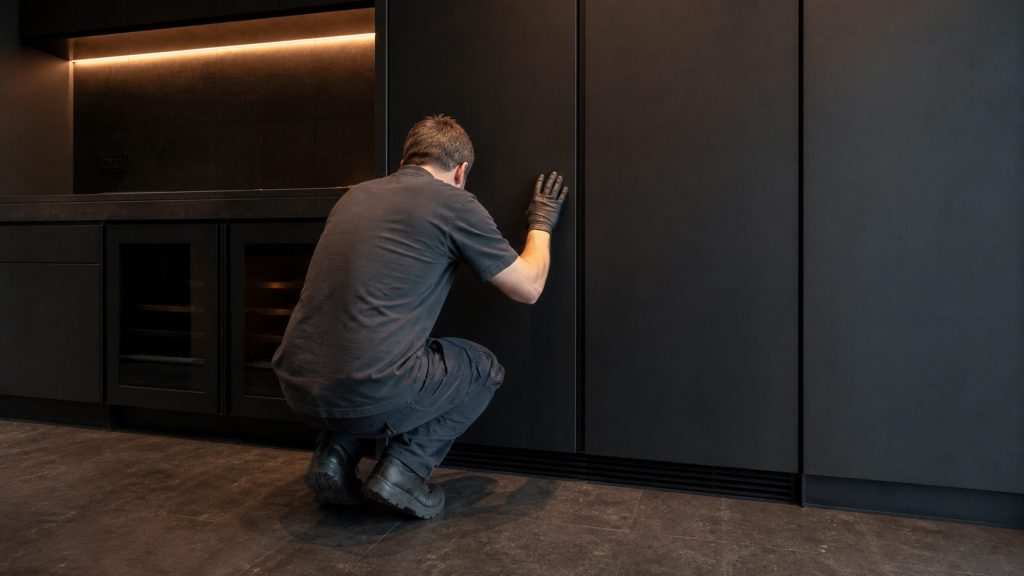
The maker's own troubleshooting row for running noise asks two questions and both are free. Its suggested remedies are to move the appliance, adjust the feet, or move some bottles.
Read more -

Why Your Refrigerator Is Freezing Food — and the Free Fix Most People Miss
Ice in the milk and lettuce like glass. Too cold is as wrong as too warm, and it usually has a simpler and cheaper cause.
Read more
Tell us the model number and what it is doing.
This article is based on:
- Official manufacturer documentation
- Internal repair procedures
- Technician repair history
- Company quality standards