Common Problems
Why Your Refrigerator Is Freezing Food — and the Free Fix Most People Miss
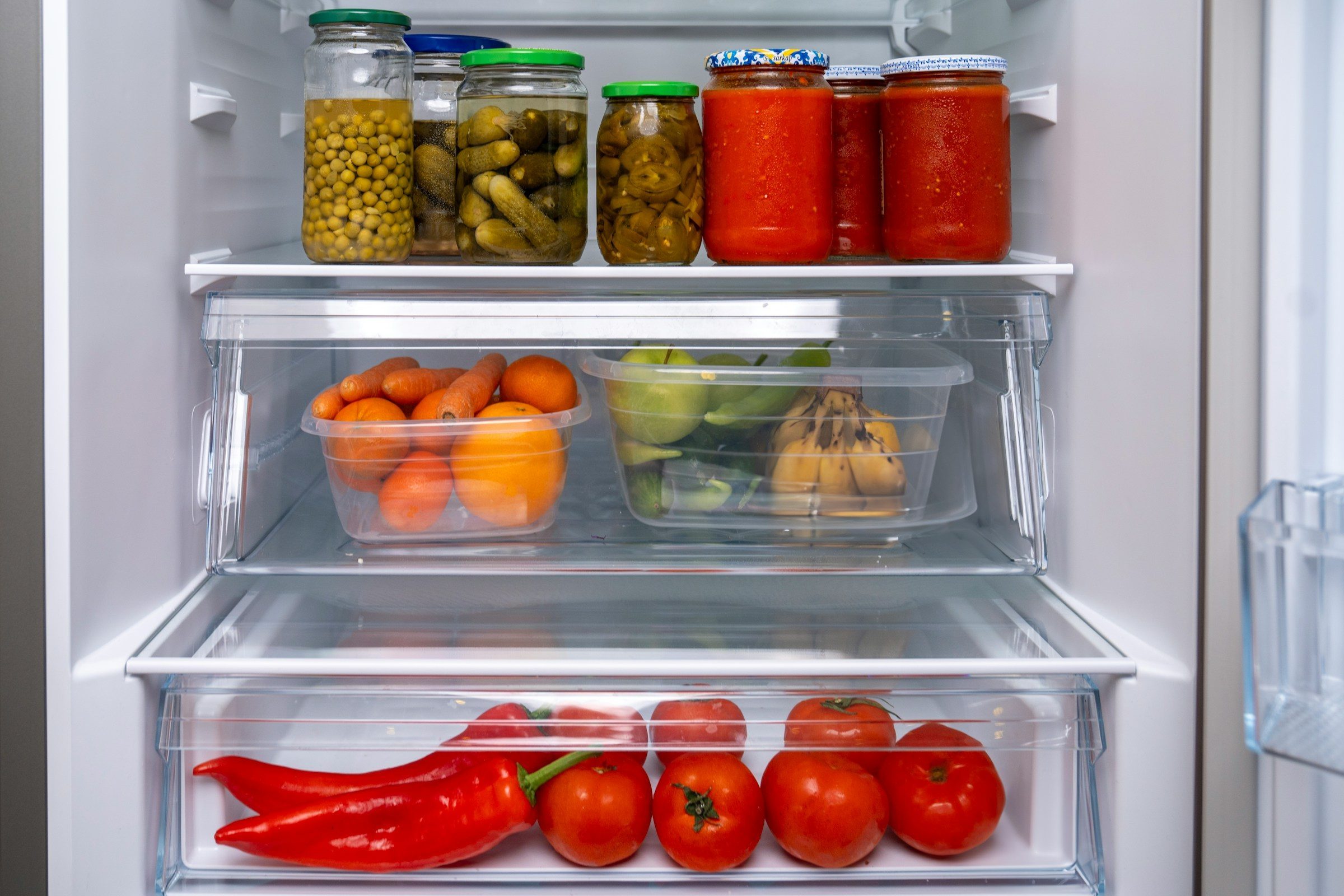
Move the food before you diagnose the appliance. Cold air enters a refrigerator at specific points, so the shelf directly in front of an outlet and the space hard against the rear wall run several degrees below the cabinet average — by design rather than by defect. Milk and salad in those positions freeze while the rest of the cabinet is perfect, and moving them forward solves it for nothing. If everything in the cabinet is too cold rather than just one area, check the set point next: somebody adjusts it during a heatwave and rarely adjusts it back. Only when position and setting have both been ruled out is it worth suspecting the appliance, and then the usual answer is a temperature sensor reading warmer than the cabinet actually is, which makes the control over-cool to compensate. A damper stuck open does the same thing in a cabinet where cold is shared between compartments. Both are ordinary repairs, and neither is the compressor.
The full guide
A refrigerator has cold places and warm places on purpose
Why is my fridge freezing food almost always has an answer that costs nothing, and this is it.
This is the part that resolves most of these calls, and almost nobody knows it.
Cold air does not fill the cabinet evenly. It enters at specific points and circulates from there, which means the difference between the coldest and the warmest part of a perfectly working refrigerator is several degrees.
The coldest places are predictable:
- directly in front of an air outlet at the back;
- hard against the rear wall;
- on the top shelf of some layouts, the bottom of others.
Milk and lettuce in those positions freeze. The rest of the cabinet is fine. Nothing is broken.
So: move it first
Take whatever is freezing and put it toward the front, away from the back wall. Give it a day.
That is the free fix, and it is the answer far more often than anything on the rest of this page.
Then check the set point
The second most common cause has nothing to do with the appliance either.
Somebody turns the fridge colder during a hot week — or during a big shop, or before a party — and never turns it back. Months later the salad is freezing and everyone has forgotten.
Check what it is set to. Then check what the shelf is actually at, with a thermometer in a glass of water left overnight, because those are two different facts.
When it is the appliance
Both ruled out? Then two things do this, and neither is the compressor.
A temperature sensor reading warm. The control believes the cabinet is warmer than it is, so it keeps cooling. This is measurable — a sensor has a published resistance at a given temperature — and it is one of the cheaper parts in the appliance.
A damper stuck open. On cabinets where cold is shared between compartments, a damper meters how much reaches the refrigerator. Stuck open, it arrives continuously.
What it is not
It is not a failing compressor. A compressor that is failing produces the opposite symptom.
Which is worth saying plainly, because "my fridge is freezing everything" gets quoted as a major repair more often than it should be — when the actual answer, most of the time, is to move the milk.
When the display and the cabinet disagree
The version of this that is genuinely a repair looks specific: the appliance is set to a normal temperature, the display agrees with it, and things are freezing anyway. That combination points at the appliance measuring itself wrongly — a sensor reading a couple of degrees warm makes the cabinet run colder than it was told to, and everything downstream of that behaves exactly as designed on a wrong number.
It is worth confirming with a glass of water and a thermometer in the middle of the cabinet before calling, because that single measurement separates the two explanations. If your thermometer agrees with the display and the food is still freezing, the problem is placement rather than the appliance. If your thermometer says the cabinet is far colder than the display claims, that is a sensor conversation and a short one.
On a cabinet with a BioFresh compartment there is one more thing to check first: that compartment is held close to freezing on purpose, so food stored in it that arrives frozen is the appliance working rather than a defect.
If it turns out to be a repair
What this leads to, and what it costs
Every job on this site is priced the same way: an on-site diagnostic first, the figure agreed in writing before anybody starts.
-
Too cold is a diagnosis too Food freezing in the refrigerator
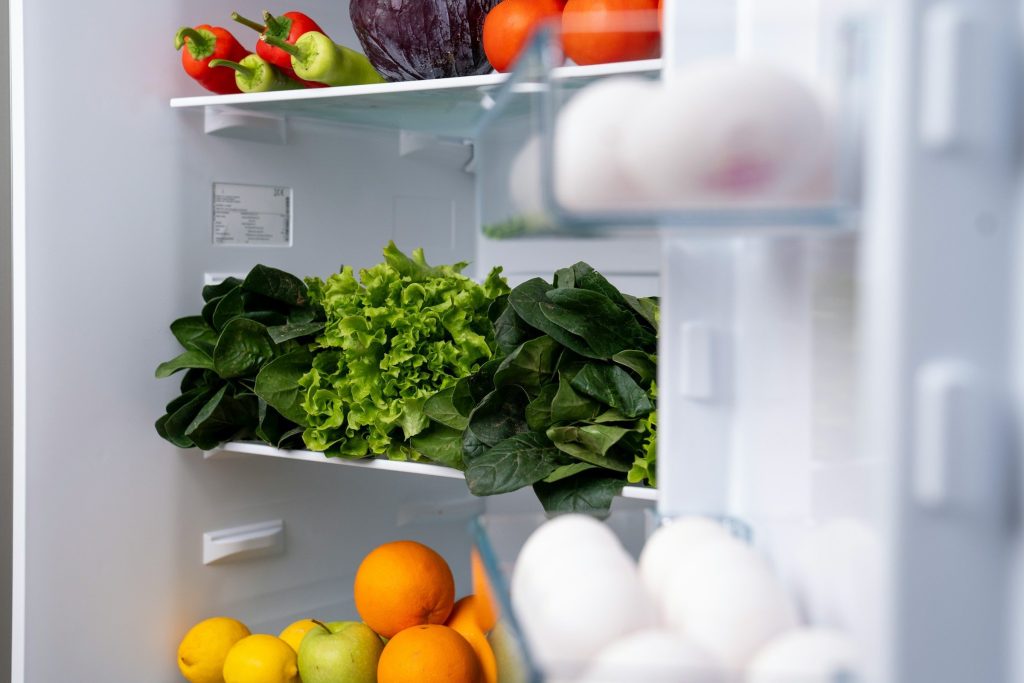
Lettuce turning to glass, milk with ice in it. A cabinet that is too cold is as wrong as one that is too warm, and it usually has a simpler cause.
- Ice in milk at the back
- Salad frozen at the bottom
- Everything fine except one shelf
-
from $175 Temperature sensor and probe replacement
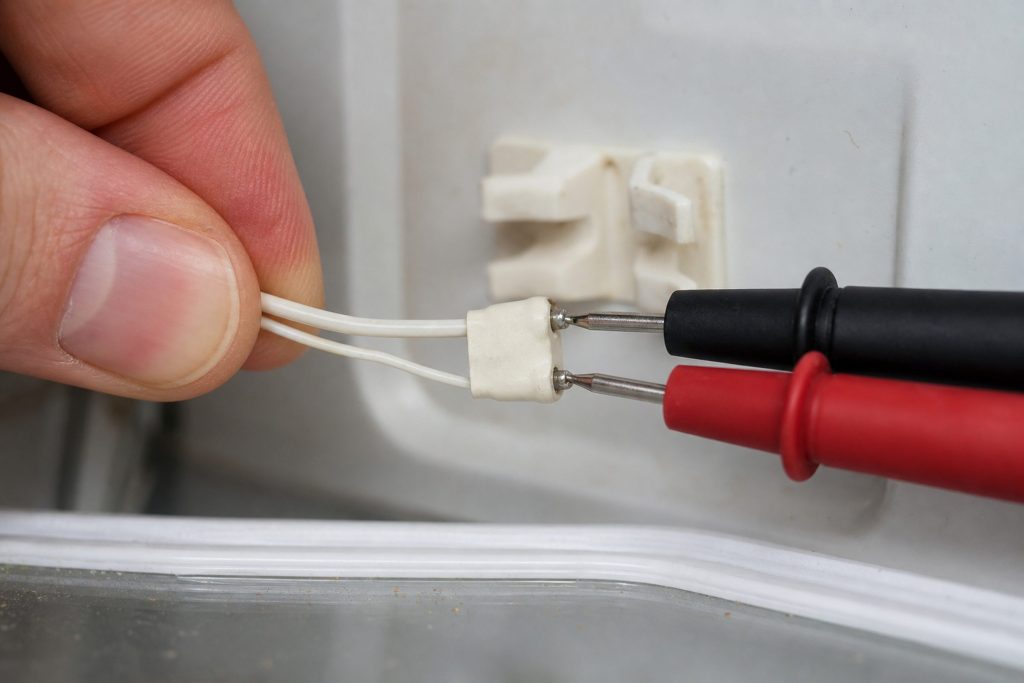
The cabinet is holding a temperature it thinks is right and is not. A sensor is a resistance at a known temperature, so this is one of the few things on a cold appliance that can be proved rather than inferred.
- Proved with a measurement, not a guess
- The part is inexpensive; the figure is access
- Checked against an independent thermometer
Questions people ask about this
Why does only the back of my fridge freeze things?
Because that is where the cold arrives. Air enters at specific points and circulates, so the area nearest an outlet is the coldest place in the cabinet by several degrees. Keep milk and salad toward the front and the problem usually disappears.
What should the setting be?
Whatever holds the shelf at or below 40°F, measured with a thermometer in a glass of water rather than read off the display. If the display and the shelf disagree, that gap is the real finding.
Is freezing food worse than a warm fridge?
It is less urgent and equally wrong. Nothing spoils, but produce is ruined, bottles can split, and a cabinet over-cooling is a compressor running more than it needs to.
Could it be the thermostat?
On these appliances it is a temperature sensor rather than a mechanical thermostat, and yes — a sensor reading warmer than reality makes the control over-cool. It is measured against a resistance table rather than guessed, and it is one of the cheaper parts in the cabinet.
Common Problems
More guides like this one
-

Ice on the Back Wall of Your Fridge Is Normal — Here Is When It Is Not
The maker calls it completely normal in its own manual. It is also the most common reason somebody pays to have a working refrigerator looked at.
Read more -
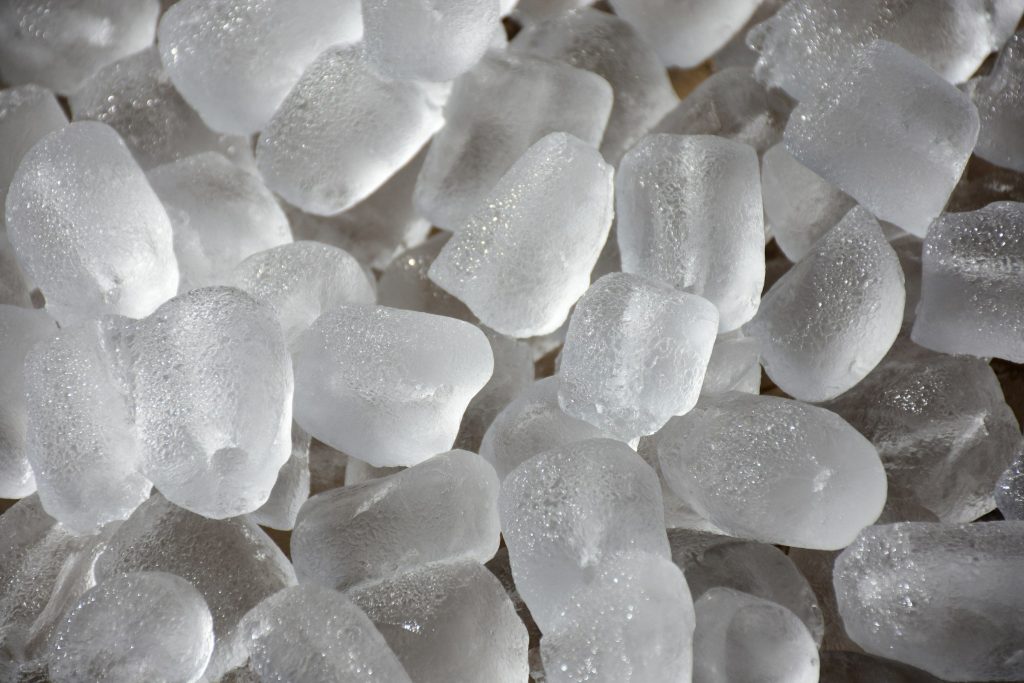
Ice Maker Making No Ice — the Two Free Checks the Maker Publishes
Liebherr's own ice-maker troubleshooting is three rows long and two of them are about the water tank. Start there rather than with a parts list.
Read more -
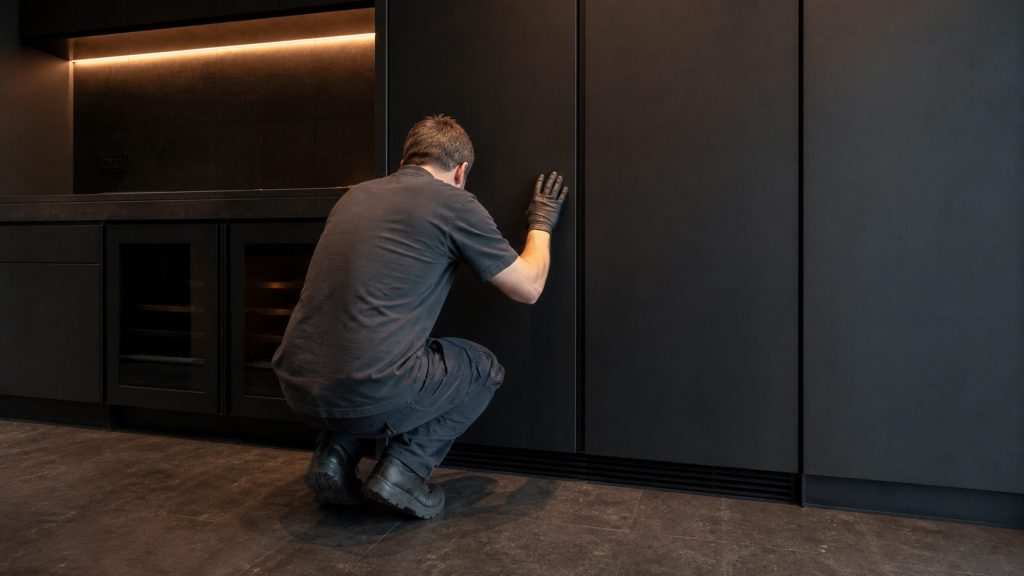
Why Your Liebherr Is Making That Noise — and the Two Free Answers
The maker's own troubleshooting row for running noise asks two questions and both are free. Its suggested remedies are to move the appliance, adjust the feet, or move some bottles.
Read more
Tell us the model number and what it is doing.
This article is based on:
- Official manufacturer documentation
- Internal repair procedures
- Technician repair history
- Company quality standards