Safety & Risks
Mold on a Refrigerator Door Seal — What Removes It and What Damages It
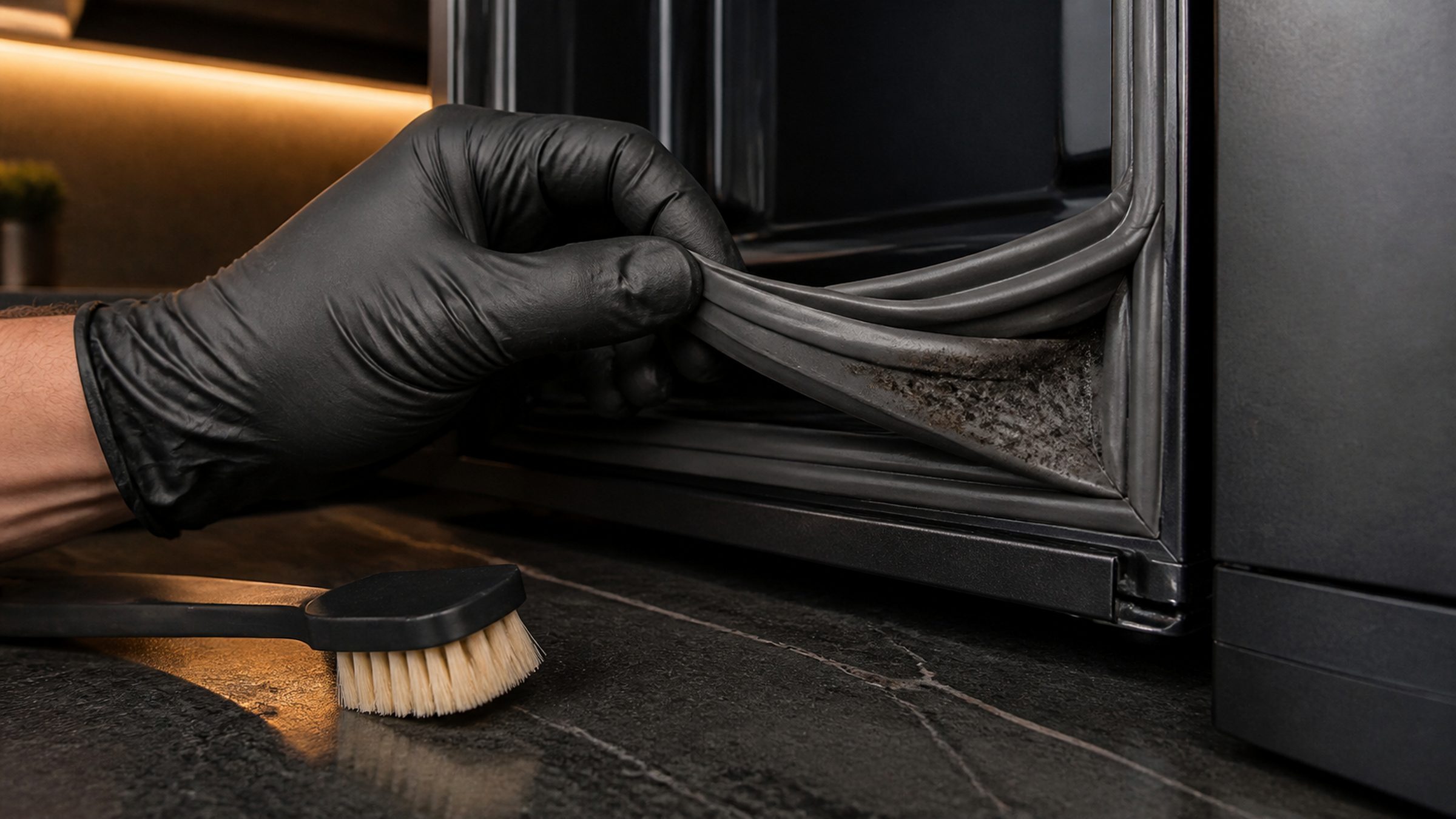
Warm water, a mild detergent and a soft brush, worked into the fold, then dried thoroughly. Drying is the half that stops it returning, because mold grows on damp rather than on dirt and a fold that stays wet will be black again in a month. For anything stubborn, a weak solution of baking soda in warm water is safe on rubber and does more than people expect. What to avoid is the list most often recommended: undiluted bleach, strong vinegar used regularly, and any solvent cleaner. All three harden rubber, and a hardened gasket stops sealing — at which point you have a clean seal that no longer works, which is worse than a stained one that does. If the mold has grown into cracks in the rubber, or the gasket fails a paper test after cleaning, it is past cleaning and needs replacing. In South Florida this is a maintenance item rather than an event: the humidity that makes it grow is not going anywhere.
The full guide
Why it grows there, and why here
The question people actually type is how do you get mold off a rubber seal on a refrigerator, and the answer has two halves — one about removing it and one about stopping it coming back.
The outside of a cold door in a warm humid room collects condensation. The seal is a rubber fold, and a fold holds water. That is the whole mechanism, and it is why this is a South Florida question more than a Minnesota one.
It is not a sign of a dirty kitchen. It is a sign of a cold appliance in a humid climate, which is every appliance in this city.
What removes it
Warm water, mild detergent, a soft brush. Get into the fold, all the way round, both doors.
Then dry it. This is the half that decides whether you do this again next month. Mold grows on damp; a fold left wet after cleaning is a fold that is already starting again.
For anything that will not shift, a weak baking soda solution in warm water is safe on rubber and surprisingly effective.
What quietly destroys the seal
Every one of these is commonly recommended, and every one of them hardens rubber:
- undiluted bleach — fastest and most popular;
- strong vinegar, used regularly;
- solvent-based cleaners of any kind.
The trade-off nobody mentions is that a hardened gasket stops gripping. You end up with a clean seal that no longer seals, letting warm air into the cabinet every minute of the day — which costs you compressor run time, temperature stability and, in a wine cooler, condensation on the inside of the glass.
A stained seal that seals is better than a white one that does not.
Check it after you clean it
Close the door on a sheet of paper and pull. It should drag. Six points around each door, corners included.
If it slides out freely somewhere, cleaning was not the issue and the seal needs attention.
When it is past cleaning
- The mold has grown into cracks or splits in the rubber.
- The gasket fails the paper test after cleaning.
- The seal has gone hard and no longer springs back when pressed.
At that point it is a replacement, and it is one of the least expensive things on a cold appliance — considerably less than the run time a leaking door costs over a year.
Why this appliance and this city
Mold on a seal is not a sign of a dirty kitchen and it is not evenly distributed across appliances. It grows in the folds of a hollow profile, in the dark, on a surface that is wet from condensation for part of every cycle — and in South Florida that surface is wet more often and for longer than it would be further north. A kitchen that opens to the outside is the worst case, and a wine cabinet with a full-height glass door is the appliance with the most cold surface facing a humid room.
The consequence is that this is a scheduled job here rather than a reactive one. Twice a year, with warm water, into the folds rather than across the face.
And the reason not to reach for bleach is mechanical rather than chemical: it hardens the rubber, and a hardened seal stops gripping. You will have removed the mold and lost the seal, and the second one costs a part and a visit while the first cost five minutes.
If it turns out to be a repair
What this leads to, and what it costs
Every job on this site is priced the same way: an on-site diagnostic first, the figure agreed in writing before anybody starts.
-
from $155 Door seal replacement
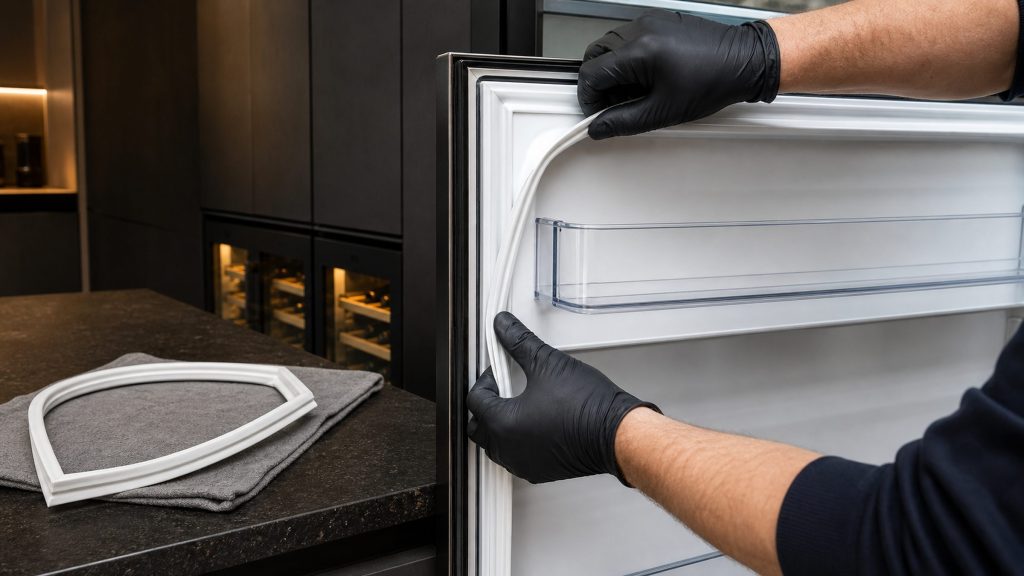
The cheapest thing on a cold appliance that costs real money if it is ignored. A seal that no longer grips is warm air entering continuously, which is a compressor running longer, ice forming where it should not, and a wine cabinet fogging on the inside of its glass.
- A paper test anyone can do before calling
- Seal, then alignment — in that order
- The first thing to check behind condensation
-
Find the shut-off before anything else Water inside or underneath
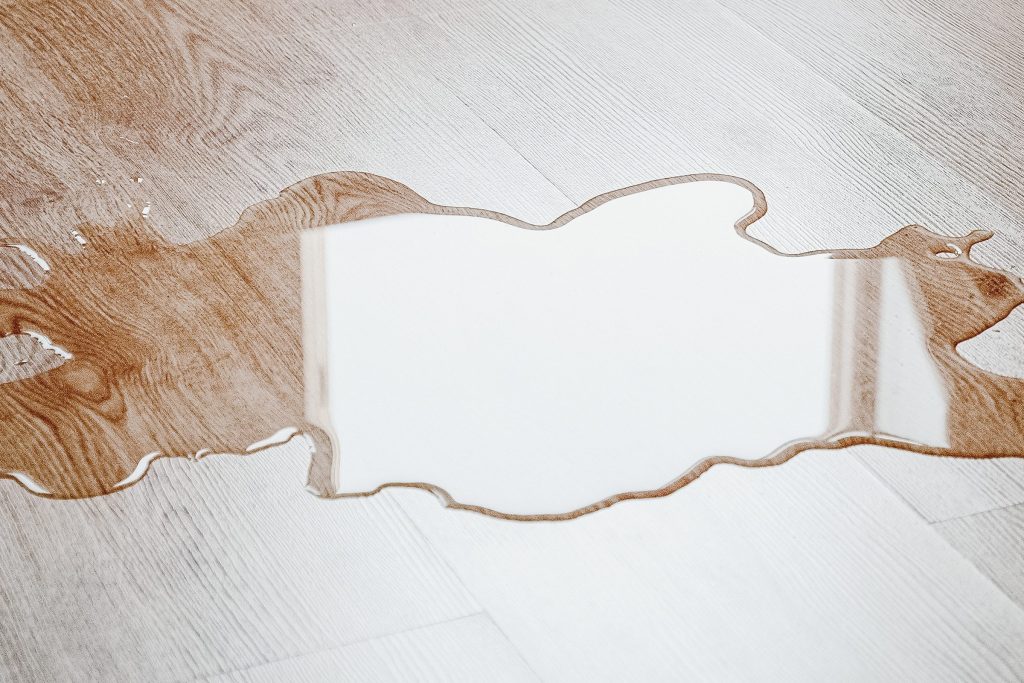
Water in the bottom of the cabinet or on the floor. On a plumbed appliance the first action is not diagnosis — it is closing the supply, because water behind cabinetry costs more than any repair on this site.
- Water pooling inside the cabinet
- Water on the floor in front
- A damp patch at the side of the joinery

Questions people ask about this
Is mold on a fridge seal dangerous?
It is worth removing rather than panicking about. It sits on the outside of the seal, not in the food space, and the practical risks are smell, spores in a kitchen and a seal that degrades faster. People with mold sensitivities have a better reason than most to keep on top of it.
Why does it keep coming back?
Because the fold stays damp. In a humid city the air on the outside of a cold door condenses, and the fold holds it. Drying the seal after cleaning does more to keep it away than anything you clean it with.
Can I use bleach?
It works and it costs you the seal. Bleach hardens rubber, and a gasket that has hardened does not grip — so you trade a stain for warm air entering the cabinet continuously. Soapy water and drying is the trade answer.
When is the seal past saving?
When the mold has grown into splits in the rubber, or when the gasket fails a paper test after it has been cleaned. At that point cleaning is cosmetic and the seal has stopped doing its job.
Safety & Risks
More guides like this one
-
What to Do With a Full Freezer Before a Hurricane
Preparation in the days before, what not to do during, and the thing owners of this make have that others do not: an appliance that records what happened while you were out.
Read more -
How Long Food Lasts in a Freezer Without Power — and How Your Liebherr Tells You
The general rule is 48 hours for a full freezer and 24 for a half-full one. Your Liebherr can do better than a rule: it recorded the highest temperature it reached while the power was off, and it will show you.
Read more
Tell us the model number and what it is doing.
This article is based on:
- Official manufacturer documentation
- Internal repair procedures
- Technician repair history
- Company quality standards