Diagnostic visit
from $95
Credited toward the repair when you go ahead. If you do not, you pay this and nothing else.
Miami-Dade · Broward · Palm Beach
Refrigerators, freezer columns and wine coolers — no ovens, no dishwashers, nothing that burns anything. This maker builds one kind of appliance and builds most of it into your joinery, and that is what the work here actually is. Tell us the three numbers off the plate and what the cabinet is doing.
What we repair
A refrigerator loses cold, a freezer column tells you about it, and a wine cabinet drifts in one zone while the others hold. Monolith is the same refrigeration behind your own cabinet fronts. Start from the one you own.
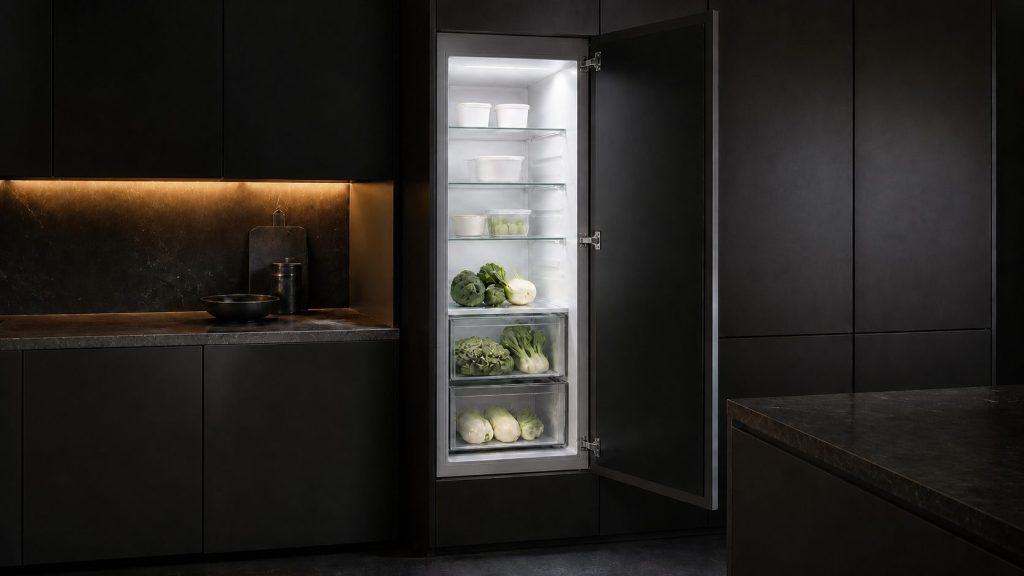
Fifty-two refrigerators in the current US line, and most of them are built into the kitchen rather than standing in it: twenty-six bottom-freezer cabinets, ten fully integrated behind your own cabinet fronts, ten Side-by-Side pairs and five French-door. Tell us which one you have and what it is doing, and whether it is paneled — that decides how the visit is planned.
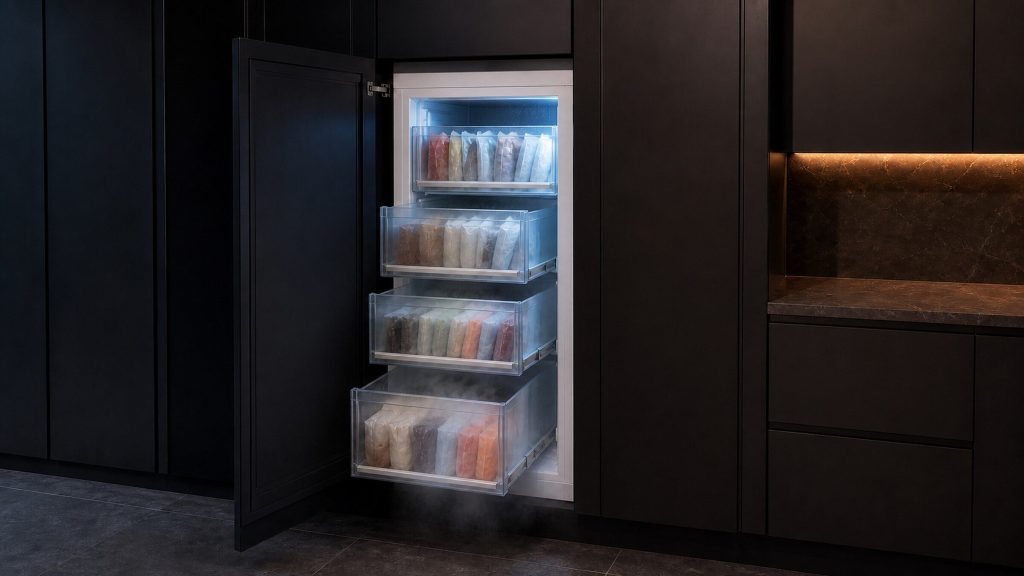
Five freezers in the current US line, every one of them a fully integrated column built into the joinery. They are frequently half of a Side-by-Side pair, which means a freezer that has stopped and a refrigerator that is fine can be two separate machines behind two matching doors.
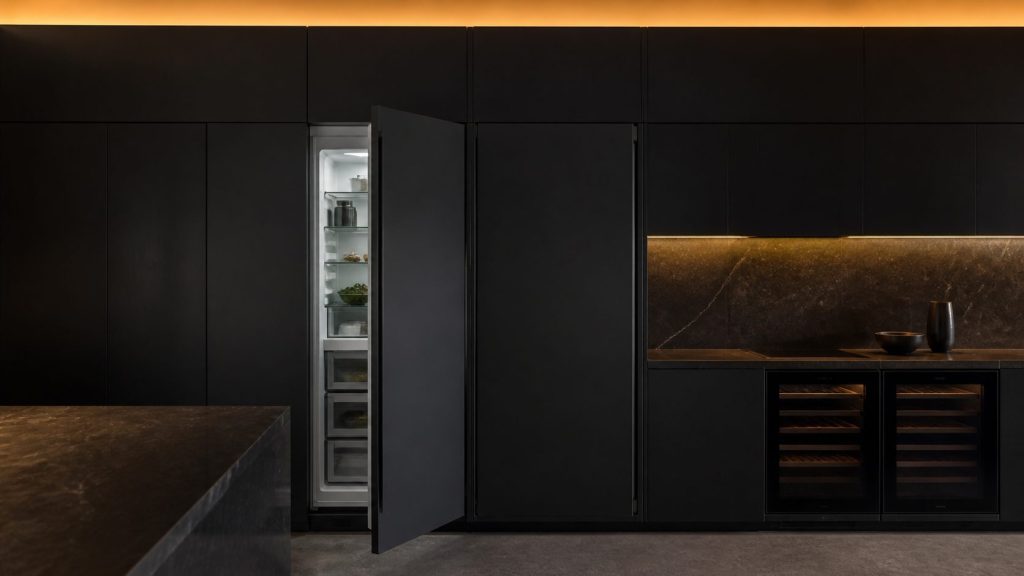
Monolith is the line Liebherr names for its fully integrated columns, and ten cabinets in the current US catalog carry it: MRB 2400, MRB 3010 and MRB 3600 on the refrigerator side, MF 1851, MF 2461, MF 3051 and MF 3661 on the freezer side, and MW 1810, MW 2400 and MW 2401 for wine. The refrigeration inside is the refrigeration in the rest of the range. What is different is that the cabinet is part of your joinery, and that is what changes about the visit.
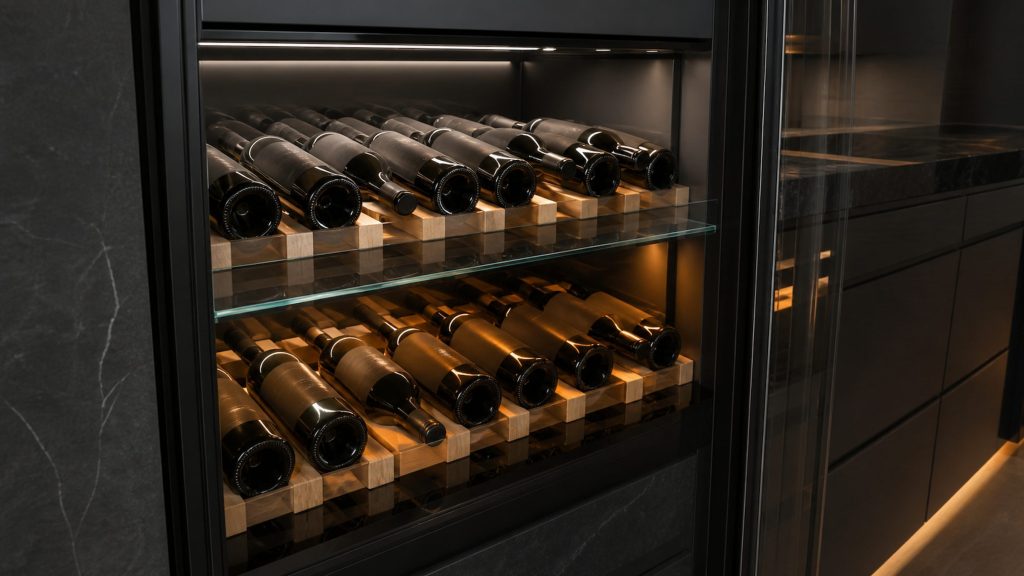
Wine refrigeration is not food refrigeration set warmer. It holds a temperature you chose rather than the coldest one available, it manages humidity instead of driving it out, and it is built to keep vibration and daylight away from the bottle. Liebherr builds eleven of them for the US — three with three zones, six with two, two with a single zone throughout — and knowing which one you have is most of the diagnosis.
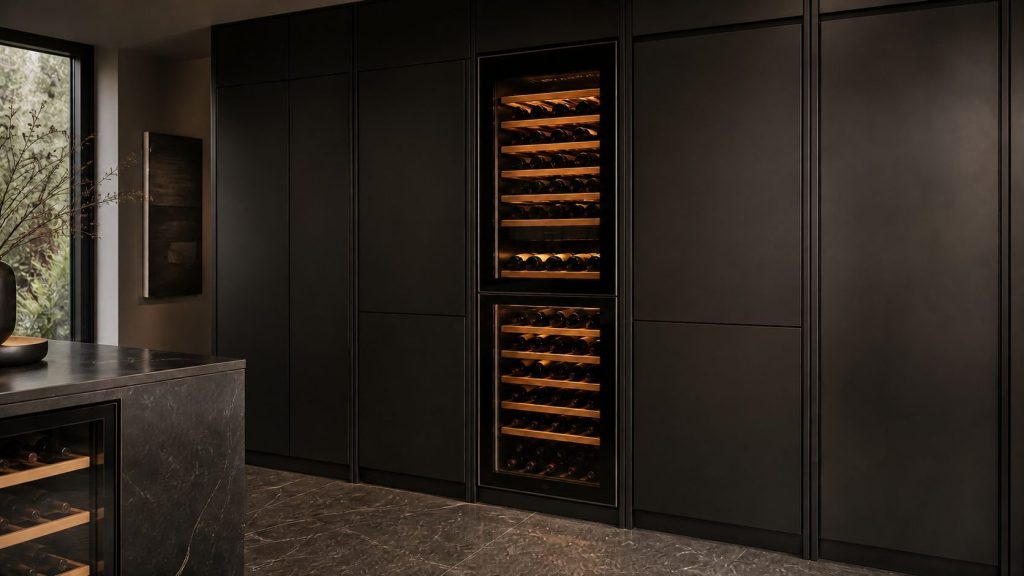
The tall cabinets — the ones that stand in the run of the kitchen or behind your own panel, hold a hundred bottles or more and divide themselves into two or three zones. Nine of the eleven Liebherr wine cabinets in the current US line are multi-zone, and three of those are Monolith columns. On a cabinet this size the door, the seal and the alignment matter as much as the refrigeration, because there is a great deal of cold glass and a great deal of Miami air.
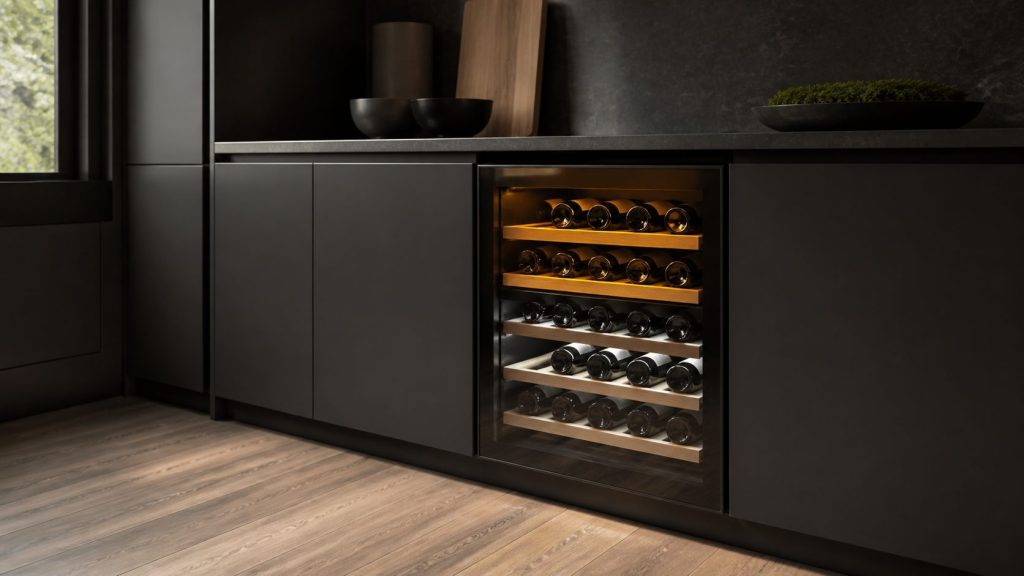
The undercounter kind — the one that lives under the worktop beside the dishwasher drawer, holds a few dozen bottles and usually runs a single temperature throughout. It is also the word most people use for every one of these appliances, so if you arrived typing wine fridge and you own a tall two-zone cabinet, everything here still applies and the cabinet pages go further.
South Florida
What the display is showing
On most makes this block decodes what is on your screen. Liebherr prints F1 to F5 and asks only that you have the number available when you call, so this one tells you what the number is genuinely for and what to write down beside it.
The three numbers on the plate — inside the cabinet, on the left-hand side
If “F1” to “F5” appears in the display, the appliance has an error. Have the number available when you contact the customer service department. — Liebherr Use and Care Manual 708248101_gb
What the display can show you
F1 – F5
A service reference. The appliance registered a problem; the maker does not publish which.
- -
Not an error. The freezer display shows below-freezing temperatures only, so it is not there yet.
Flashing
A setting was changed, or warm loading caused cold loss. It stops on its own.
Flashing + alarm LED
The freezer is not cold enough, and it keeps flashing until the cause has gone.
The seven behaviors the maker does document
| Alarm sounding, icon lit | Touch the alarm icon to silence it. That stops the sound, not the cause. |
|---|---|
| Door alarm | A door open longer than about 180 seconds. Resets itself when the door is shut. |
| Temperature alarm | Freezer not cold enough — warm food, warm air, or the appliance. Display and alarm LED flash together. |
| Two dashes | Above freezing. Three to five hours from a cold start, and again after a power cut. |
| Power-failure light | It got too warm during an outage. Touch the alarm icon to read the highest temperature it reached. |
| Display flashing | A temperature you changed, or cold loss from loading. It settles by itself. |
| Ice-maker lamp flashing | The water tank is empty or not seated correctly. The maker's own two questions. |
Every row above is quoted from the maker's own manual. That is the difference between this table and the ones that decode F1 to F5: those cite nothing.
Write the number down before anything clears it, then read the three numbers off the plate. Those four things together turn a diagnostic visit into a short one.
Every number and every signalThis make publishes error numbers and not their meanings. Anybody who tells you what F2 stands for is repeating a table nobody can trace — and a technician who arrives carrying that part has made your visit longer rather than shorter.
How a visit runs
The plate is inside the cabinet on the left-hand side: Type Designation, Service Number, Appliance/Serial Number. Liebherr asks for all three together, and a photograph of it saves a great deal of guessing.
Seals, sensors, fans and filters travel. A board is ordered against the number on the plate. If the description points at the sealed system, we bring recovery equipment rather than discovering we needed it.
Nothing is opened until you have both. The diagnostic comes off the bill when you go ahead — and if the cabinet is inside the maker's five-year sealed-system position, we tell you that instead of quoting.
A cabinet that came out of joinery goes back level, plumb and aligned to the doors either side. Where a repair approaches the value of the appliance, you get told that rather than a quote.
What it costs
On cold equipment the money divides on one line — either the sealed system is involved or it is not. Every figure here is a starting point for this equipment in South Florida, researched rather than invented.
from $95
Credited toward the repair when you go ahead. If you do not, you pay this and nothing else.
from $145
The maker names ventilation first for both "running too long" and "not cold enough". In this city a condenser fills faster than the manual assumes, and this is the visit that prevents the expensive ones.
from $145
May end with no repair at all, and we say so before we come. Seven documented behaviors look like breakages and are not.
from $155
The cheapest thing on a cold appliance that costs real money if it is ignored — run time, stable temperature, and ice where there should be none.
from $185
The commonest real repair. On a NoFrost cabinet it is far more often the defrost circuit or the airflow than the compressor.
from $650
Compressor, condenser, evaporator, drier and the tubing between them — the maker's own definition. Licensed work, and checked against the maker's five-year position before anybody quotes.
Every figure here is a starting point and a researched market range for South Florida, never a quote. The exact cost is confirmed after an on-site diagnostic and agreed in writing before anything is opened — and if your cabinet is inside the maker's own warranty, we say so instead of quoting.
Every Liebherr figure, with the reasons attachedWhere we work
Fifty-nine cities and neighborhoods, each with a page saying what we actually see there. Tell us where you are when you book — a paneled column in a tower is a different hour from the same column in Pinecrest.
Neighborhoods people ask for by name
Coverage is the whole of Miami-Dade, Broward and Palm Beach — the pages below are the places people search for by name, not the edge of where we drive.
Three numbers off the plate and a line about the behavior. You will have the scope and the price in writing before anything is opened.
This article is based on:
Asked most often
Neither. We are an independent repair company working on this equipment in South Florida, and we say so on every page. If your appliance is inside the maker's own warranty we will tell you and point you at them, because that is your money rather than ours.
Nobody outside the factory can tell you, and pages that do are guessing. Liebherr prints F1 to F5 and publishes no meaning for any of them — its own manual asks only that you have the number available when you call. Write it down, read the three numbers off the plate, and the visit starts much further along.
Usually not. Shut every door and wait three minutes — the door alarm resets itself. If it began when the power came back, that is the power-failure indicator, and touching the alarm icon will show you the highest temperature the freezer reached. What is worth a call is an alarm that keeps returning with the doors shut and nothing new inside.
That is most of what this make is. Ten of the fifty-two refrigerators in the current line are fully integrated behind your own cabinet fronts and every one of the five freezers is. Say so when you book and the appointment is scheduled with the right time and the right number of people.
Tell us where you are and what it is doing, and we come back with the earliest slot we can genuinely keep rather than the earliest one that sounds good. Same-day happens when the schedule allows and we will not pretend otherwise when it does not.